Matteo Domenichetti

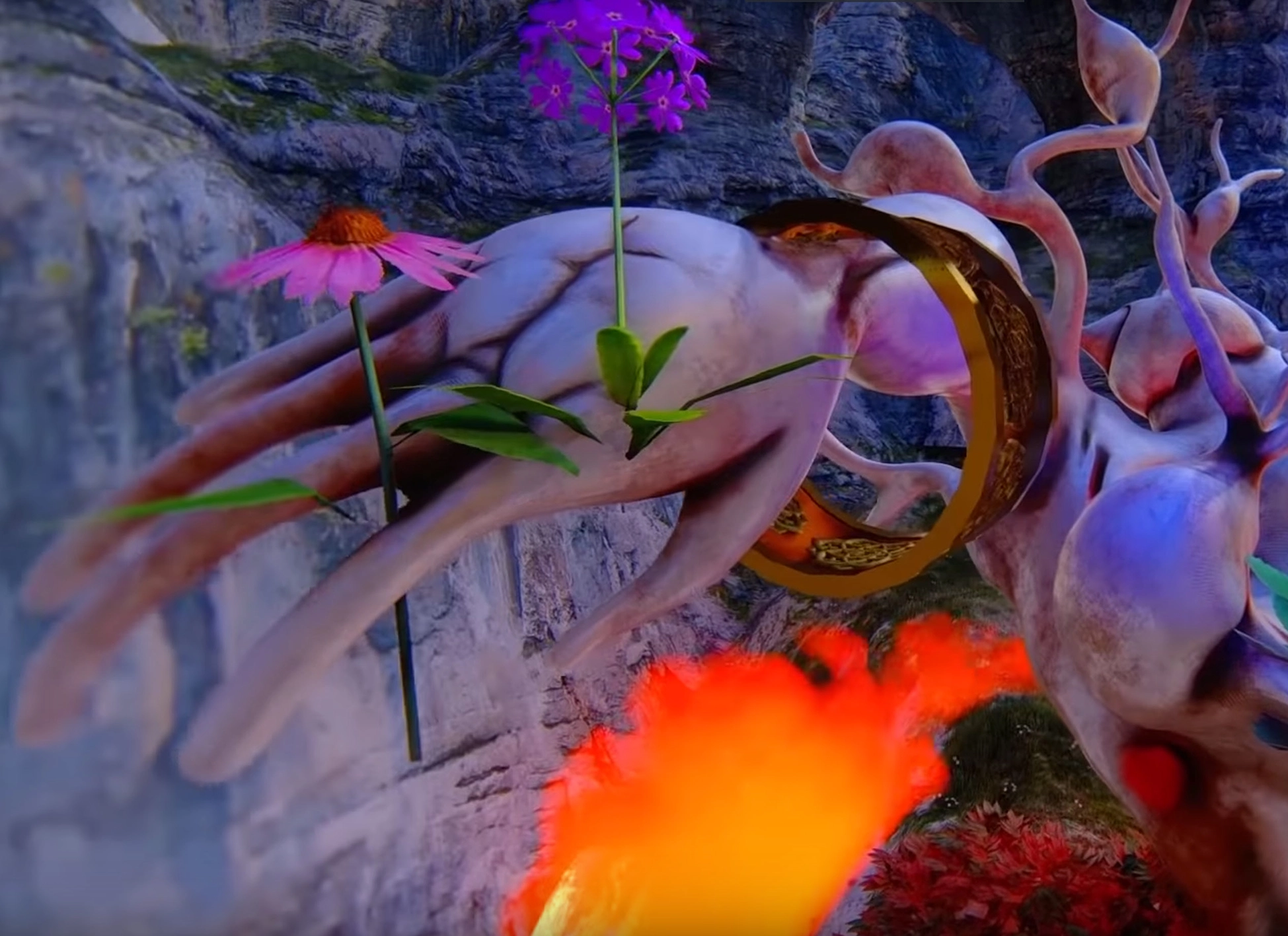
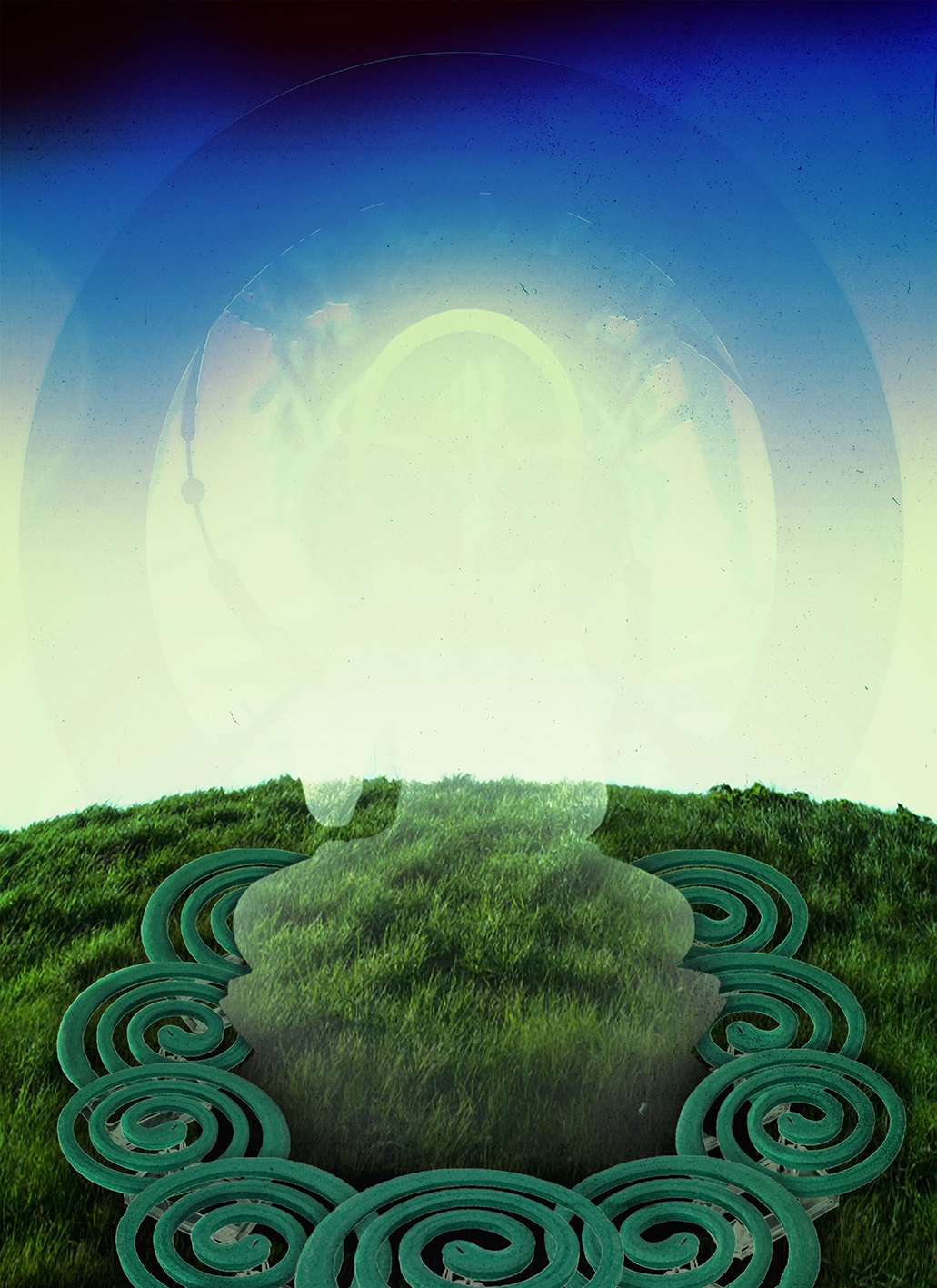
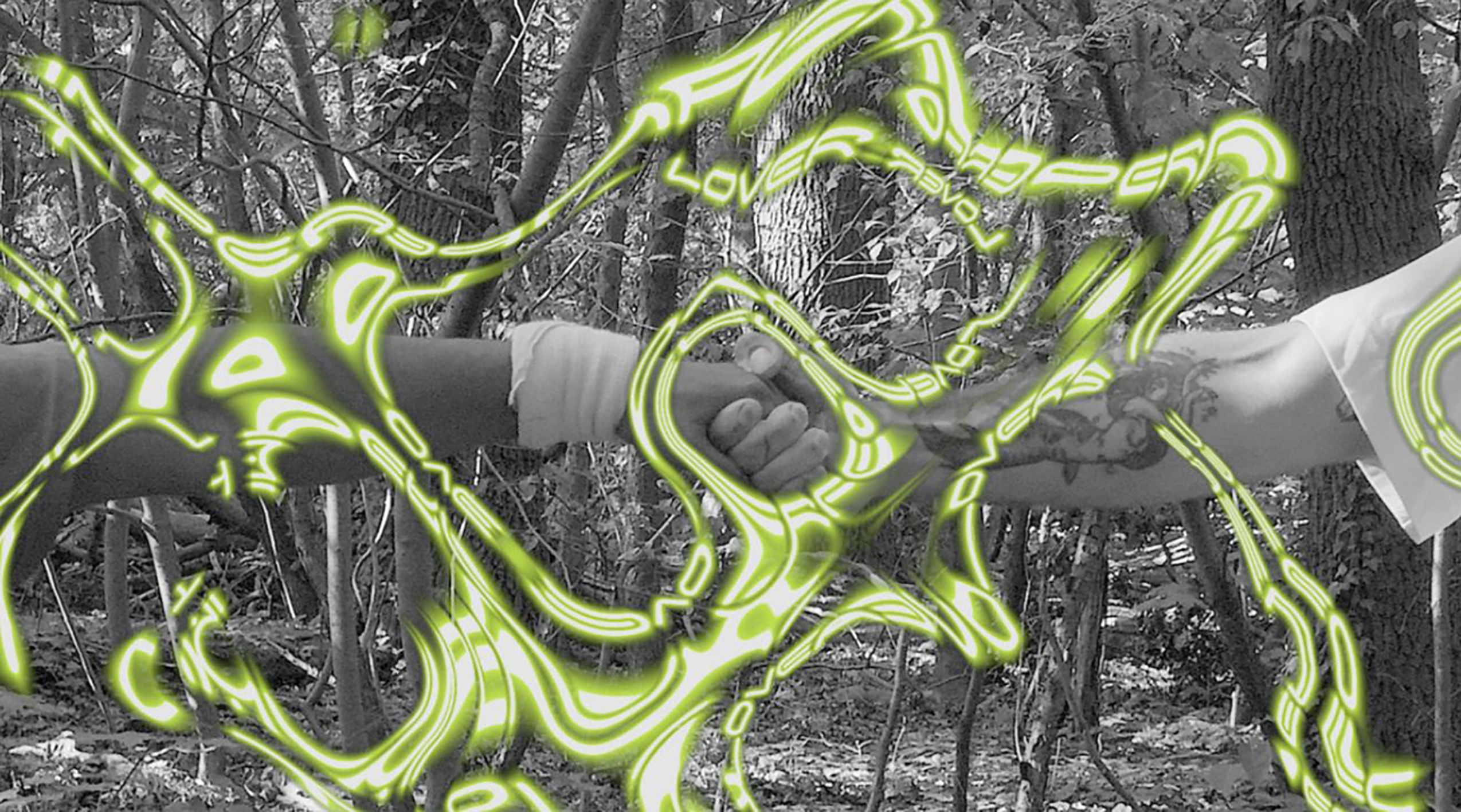
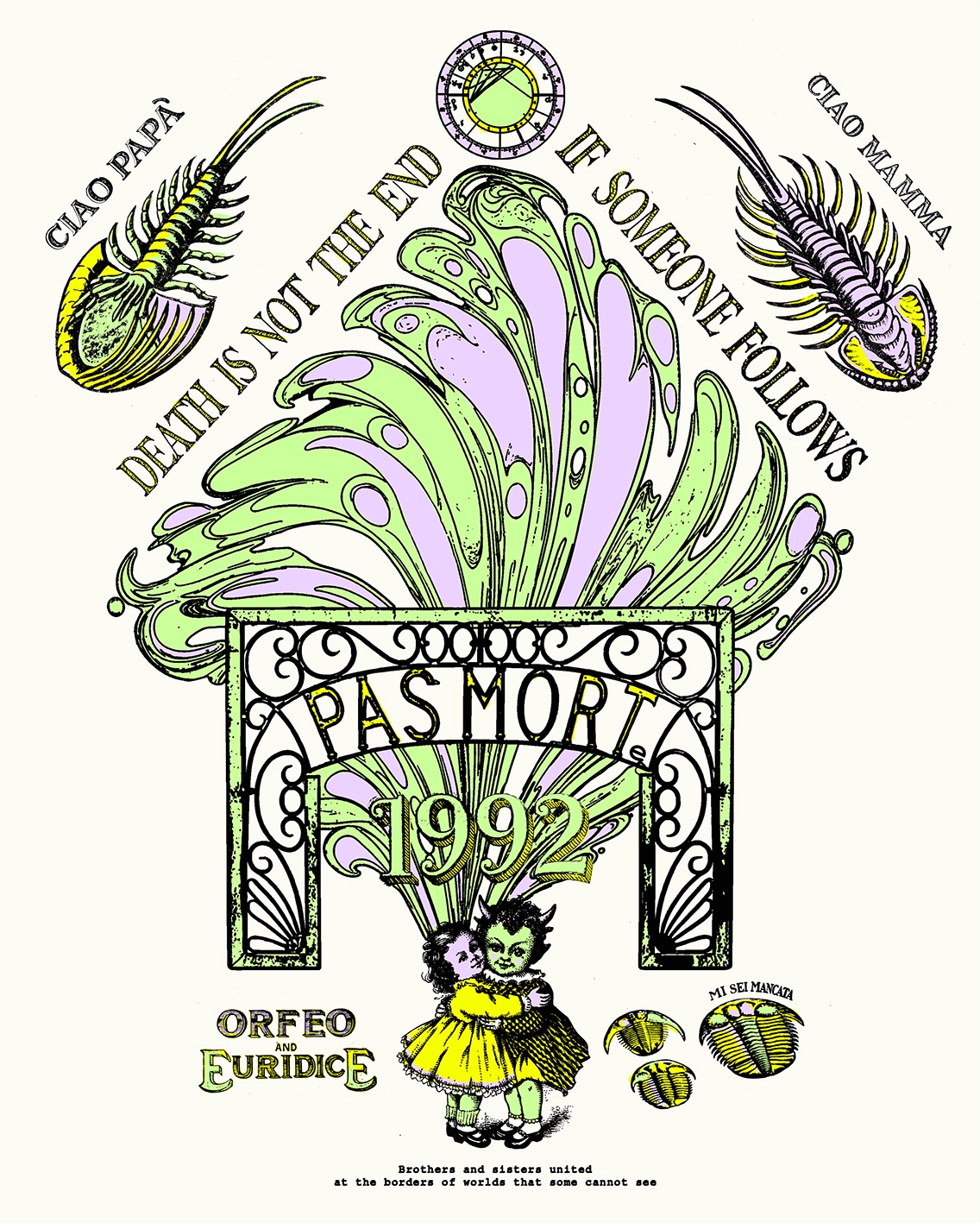
Orfeo & Euridice (2025)

, , ,

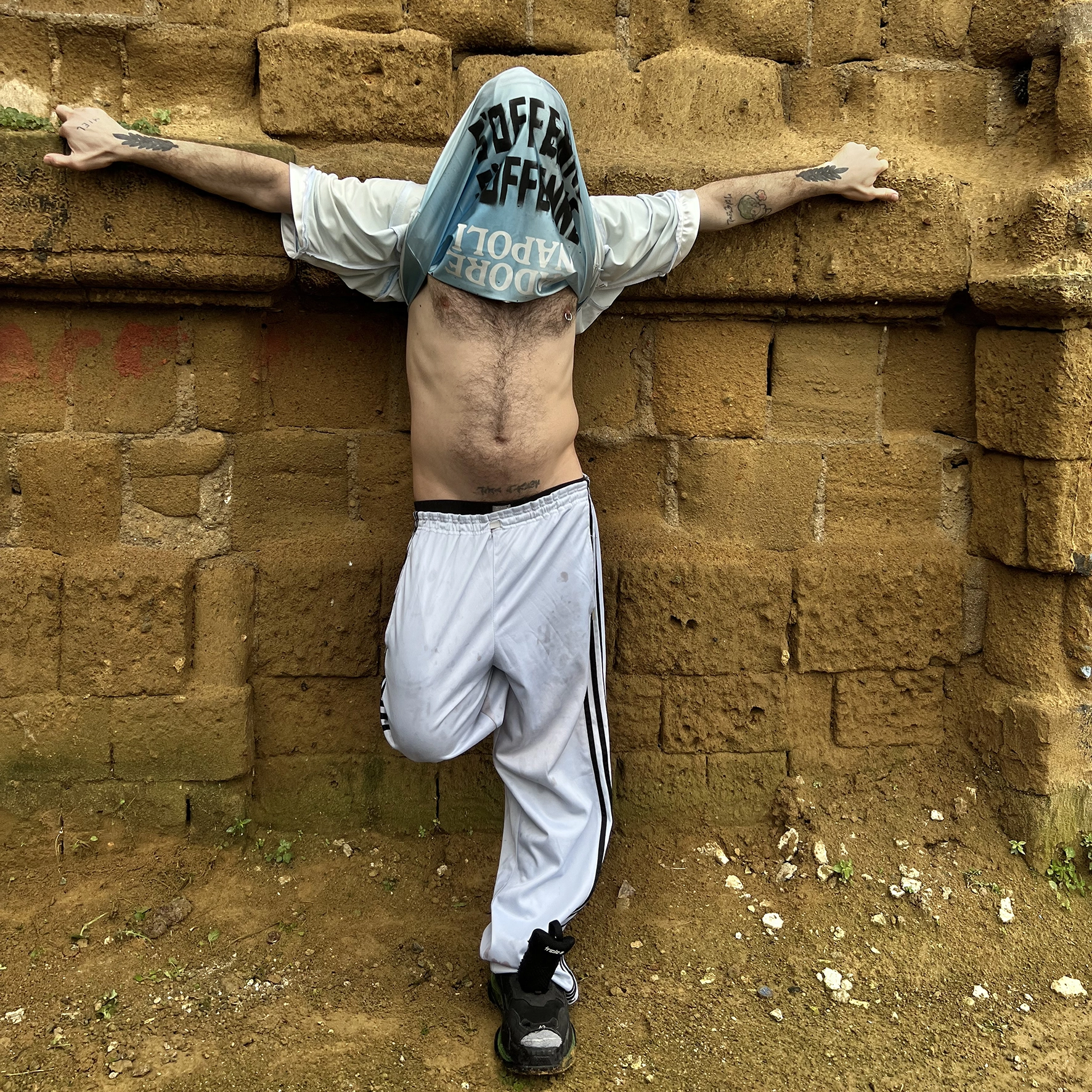
Matteo Domenichetti’s practice moves between fashion, speculative research, and a variety of media. With a long professional background in fashion, his work has also engaged with resistance to surveillance systems and speculative technological practices, while increasingly focusing on the culture of death as a space of knowledge, care, and spiritual inquiry.

Artist Statement

ORPHEUS:
This is how it happened. We were climbing the path through the wood of shadows. Cocytus, the Styx, the boat, the lamentations were already far behind. On the leaves one could glimpse the faint glimmer of the sky. I felt behind me the rustle of her steps. Yet I was still down there, and that cold was still upon me.
I thought that one day I would have to return, that what has been would be again. I thought of life with her, as it had been before; that once more it would come to an end. What has been will be.
I thought of that frost, of that emptiness I had crossed and that she carried in her bones, in her marrow, in her blood. Was it worth living again? I thought about it, and I glimpsed the glimmer of day.
Then I said, “Let it be finished,” and I turned around. Eurydice vanished as a candle is extinguished. I heard only a small creak, like that of a mouse escaping.

Printing & Material

All editions are produced using professional pigment printing technology, ensuring exceptional colour depth, smooth tonal gradations, and long-lasting archival quality. This process delivers museum-standard digital fine art prints with outstanding sharpness, minimal colour shift, and consistent results across both colour and black & white works. Each print is produced under controlled professional conditions to ensure consistency, durability, and fidelity to the artist’s original work.

Each work is produced as a museum-quality fine art pigment print on Hahnemühle Photo Rag® Baryta, digitally signed by the artist and accompanied by a certificate of authenticity, and released in strictly limited editions.

All editions are printed on Hahnemühle Photo Rag® Baryta, one of the most renowned fine art papers in contemporary photographic and digital art practice. This exceptional 315 gsm, 100% cotton paper combines a delicate, tactile surface with a luminous baryta high-gloss finish, offering outstanding depth, precision, and tonal richness.

Widely used by artists, galleries, and museums, Photo Rag® Baryta meets the highest standards for archival fine art printing. The paper is acid-free, OBA-free, and museum-certified, ensuring long-term stability and preservation.

Each edition is produced with professional pigment inks, creating a work that is not only visually powerful, but also conceived as a lasting collectible object — materially, conceptually, and historically.
curated by

CURATOR

Lorenzo Xiques

Lorenzo Xiques: Practice and Context

Lorenzo Xiques (b. 1983, Caracas) is an independent curator operating from Naples, Italy. His practice is characterized by a rigorous inquiry at the intersection of contemporary art, performance studies, and critical social research. Xiques’ professional trajectory began following academic studies in architecture, an experience that informs his structural and spatial understanding of curatorial development. Fundamentally, his curatorial path is shaped by his personal history as an immigrant, arriving from Venezuela to Southern Italy at age eight.
This experience —starting from zero, learning a new language, and assimilating to a different culture without resources or family connections in the arts— is described as his punto di arrivo (point of arrival), profoundly affecting his perspective. From 2013 to 2017, Xiques held the position of Artistic Director at Quartiere Intelligente in Naples, where he established cultural programming focused on the discourse of sustainability and emergent urban practices. His institutional collaborations are significant, including ongoing work with museo Madre, a coordination role at Casa Morra Archivi d’Arte Contemporanea from 2017 to 2018, and for performance art within the Volcano Extravaganza festival (Fiorucci Art Trust) edition 2017 and 2019.
Since 2017, he has collaborated with Galleria Fonti in Naples, promoting young national and international artists focusing on a language and research that explores a poetic conceptualism.

Curatorial Thesis: The Outsider’s Path

As an “outsider” to the closed circuit of the artistic elite, Xiques found alternative paths that allowed him to shape his curatorial voice on his own terms, unburdened by tradition. He conceptualized Instagram as a digital sanctuary that enabled him to bypass geographical, social, and financial barriers, conducting research and building a global community where he could share and communicate art “how I want to.” This “virtual path” transformed professional frustration into an energetic catalyst, providing the possibility to “break through structural barriers.” Xiques’s research concentrates on the investigation of themes relating to gender, identity, and the complex reciprocity between advanced artistic experimentation and models of collective life.

Aesthetic Refusal and Embodied Knowledge

The artists selected for the King Kong Editions collection are united by a shared commitment to creating work that is a direct extension of their personal and political realities. Xiques champions artists who refuse rigid formalism and are often conventionally considered “ugly” for their richness and authenticity. This stance directly challenges the long Italian tradition of arte povera, minimalism, and conceptualism. At the core of this curatorial conceit is the idea that the work is not theoretical but an expression of embodied knowledge, diasporic, and queer methodologies. The artists and their work are “testaments to alternative narratives” and “new imaginaries” that blend the past, present, and future. Recognizing that “contemporary art is a Western language,” Xiques is interested in artists who negotiate the paradox of translating their heritage into a contemporary art code. Like the “diasporic rat” metaphor he cites, the work operates as an imboscata(ambush)—disrupting established art geographies and hierarchies from the edges.

Art as a Gift, Not a Trophy

For Xiques, this Editions project, which includes works by his close friends and collaborators, is not only a natural curatorial fit but also a powerful solution to the inaccessibility he has faced. The collaboration seeks to create tactile bridges between his virtual community and the intimate space of the home. The artists were asked to offer a work that “you would love to gift to a friend,” shifting the relationship from ownership and status to one of personal connection and shared values. Xiques is thinking of the passionate art lover who can’t afford galleries but can, through this project, “buy an art print and have it in their house, be in company with it and feel part of a community.” This collaboration demands active participation, asserting that “There is no space for a neutral artist anymore.” The works are not theoretical or housed “in a vacuum,” but are “our lived experience,” representing an ongoing practice of building a more inclusive, meaningful art ecosystem.


ARTIST

Matteo Domenichetti

What conceptual seed started your King Kong edition?

The seed was the memory of a dialogue between Orpheus and a Bacchante, from a book by Cesare Pavese, which I’ve often thought about since I was a teen. To find his beloved Eurydice, who died after a viper’s bite, Orpheus takes a long journey through many lands, telling his story to everyone and gaining the support of many, including the fierce Bacchantes. When he arrives in the Underworld, he moves the Gods of death with the beauty of his music, until he gets his beloved back, on the condition that he not turn around and look at her. But after feeling death in his bones, he chooses to turn around. Upon his return, he finds the Bacchante who asks him to account for this betrayal. He tries to express the awareness he has gained, telling her, “A destiny does not betray, no God can touch it.” Then he says, “Every time one invokes a god, one knows death. And one descends into Hades to seize something, to violate a destiny. One does not conquer the night, and loses the light. One struggles like a madman,” and “When the first glimmer of sky reached me, I startled like a boy, happy and incredulous, for the world of the living. I didn’t care at all about her following me and I turned around.”The Bacchante doesn’t understand, becomes irritated, and tears him apart.

What kind of reality is this work proposing, resisting, or revealing?

In a strict sense, it’s a family memory and a personal journey of mine, but I believe it applies to everyone—many of us have been through it: there are pathological ways of seeking contact with death (or, worse, of not wanting to look at it), and there are healthy and virtuous ways. I absolutely don’t have answers, but this is what I’ve learned so far.

How does text operate in your installations? As fragment, gesture, statement?

For me, they are important suggestions. I often love words even more than images, and when I use them, I do carefully.

Were there texts, songs, or materials in your studio that accompanied this process?

The night I was drawing this poster, I remember I was listening to a very magical album by the Incredible String Band, The Hangman’s Beautiful Daughter.
♫ *“Listen, a woman with a bulldozer built this house now. Carving away the mountain whose name is your childhood home. We were trying to buy it, buy it, buy it! Someone was found, killed there, all bones, dry bones.” ♪

What themes currently feel most urgent to you?

Lately, all my research has been on the culture of death, and it’s leading me on frequent and intense journeys to connect with communities that have a culture around it and people who have a particular sensitivity to it. I’ve become friends with mediums and seers, a regular attendee of religious communities and magical federations, but also of scientific realities related to this kind of research. I’m also beginning advanced training to become an end-of-life spiritual companion because I’m interested in experimenting with the tools I know to find new ways of caring. Additionally, I’m interested in the magical potentials of technological tools and consciousness, and for years I’ve been deeply studying comics.

Do you think your practice engages in repair, resistance, or rupture?

For a long time, I was more interested in resistance; now I’ve changed a bit, and I’m probably more interested in repair. The rupture aspect, which was previously a goal, now seems more like a welcome collateral possibility.

What’s the role of slowness in the making of your work?

Sometimes it has the effect of making me anxious, and then, in reaction, I hyper-produce. But when I manage to allow myself time—even a very long time—to train myself and understand better, I get more conscious results.

What would your ideal exhibition space or setting be?

A hypnotically induced hallucination


BIOGRAPHY

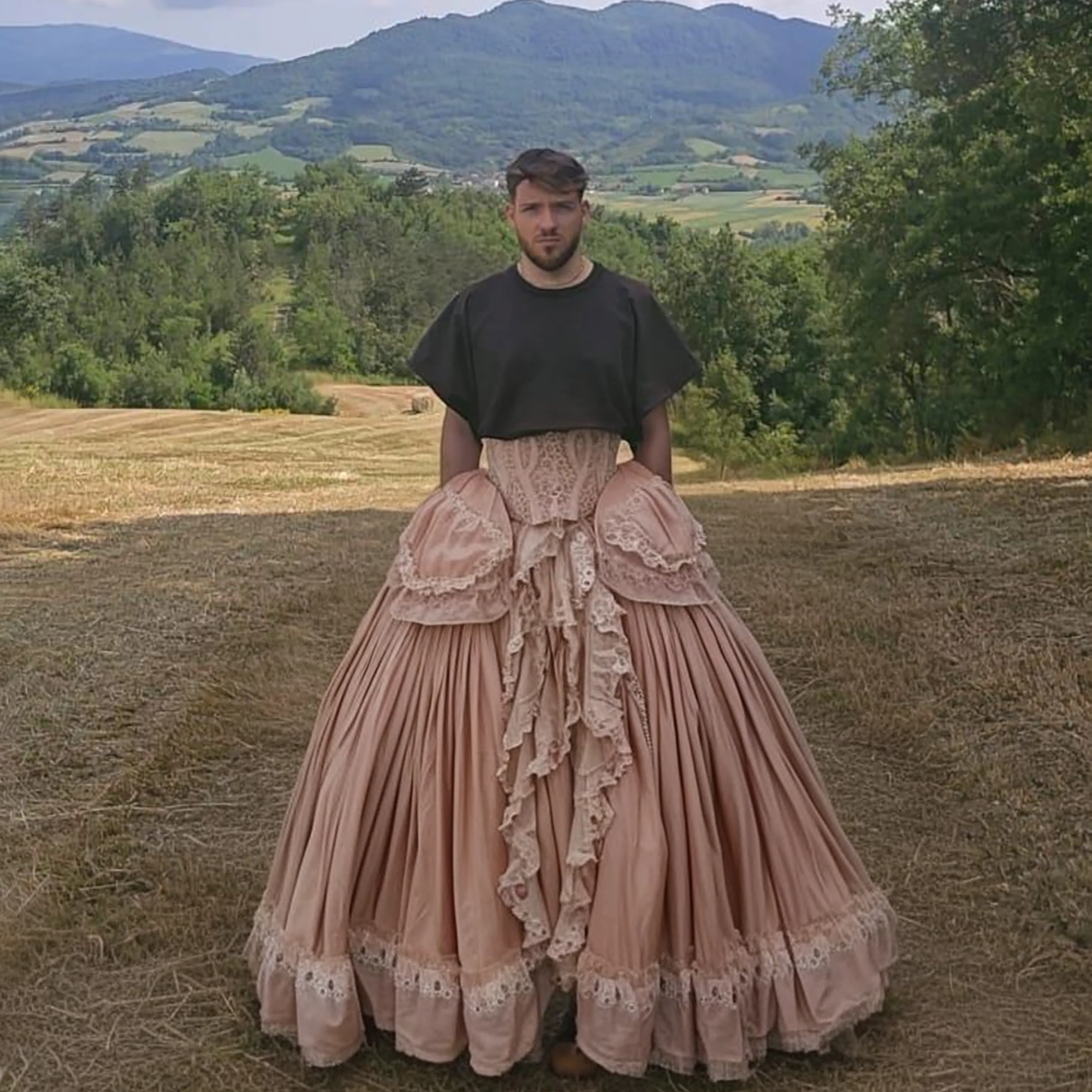
Matteo Domenichetti is a fashion, textile, and graphic designer whose practice moves between clothing, image-making, and speculative research.

He was formed within the Prints Team at Gucci during Alessandro Michele’s tenure and later developed an experimental unit at Dolce & Gabbana focused on exploring artificial intelligence as a creative and symbolic tool in fashion design.

Alongside his work in the fashion industry, Domenichetti has developed an independent artistic practice. His earlier projects investigated systems of surveillance and technology, including MyceliuMinds, curated by Milovan Farronato, and Pompeii Conspiracy. Clever Dogs to Stay Out of the Sun!, produced within Pompeii Commitment.

In recent years, his research has increasingly refocused on the culture of death as a space of knowledge, care, and transformation.
This trajectory has led him into sustained relationships with communities that cultivate an intimate engagement with death—religious groups, magical circles, mediums, seers, monks, and academic researchers.

He is currently undertaking advanced training as an end-of-life spiritual companion, guided by the intuition that design, imagery, and technology may operate as tools of care in moments of passage.

Across fashion and visual research, and through a wide range of media, Domenichetti approaches clothing as a threshold object and technology as a modern magical apparatus.