Wedding Scammer

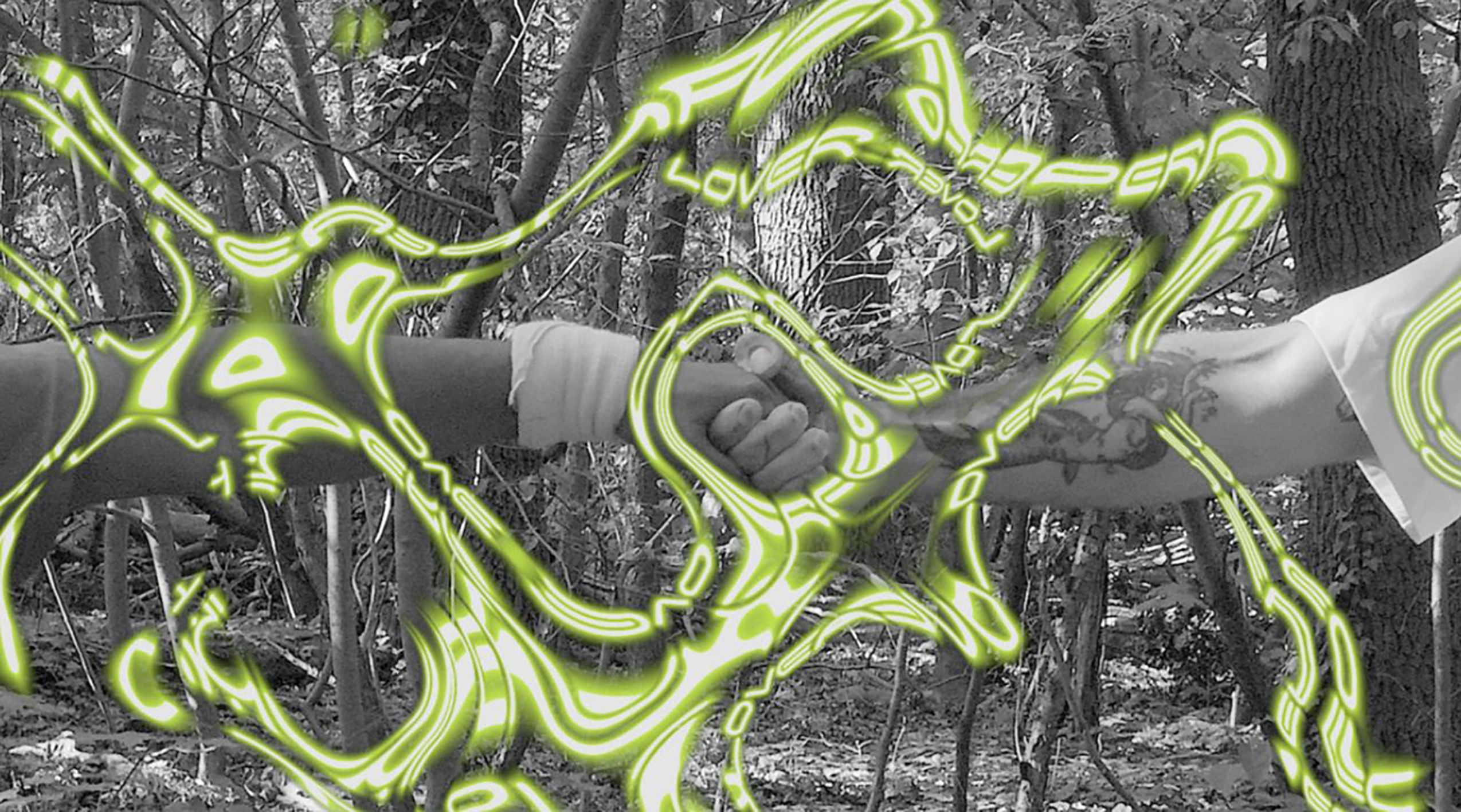
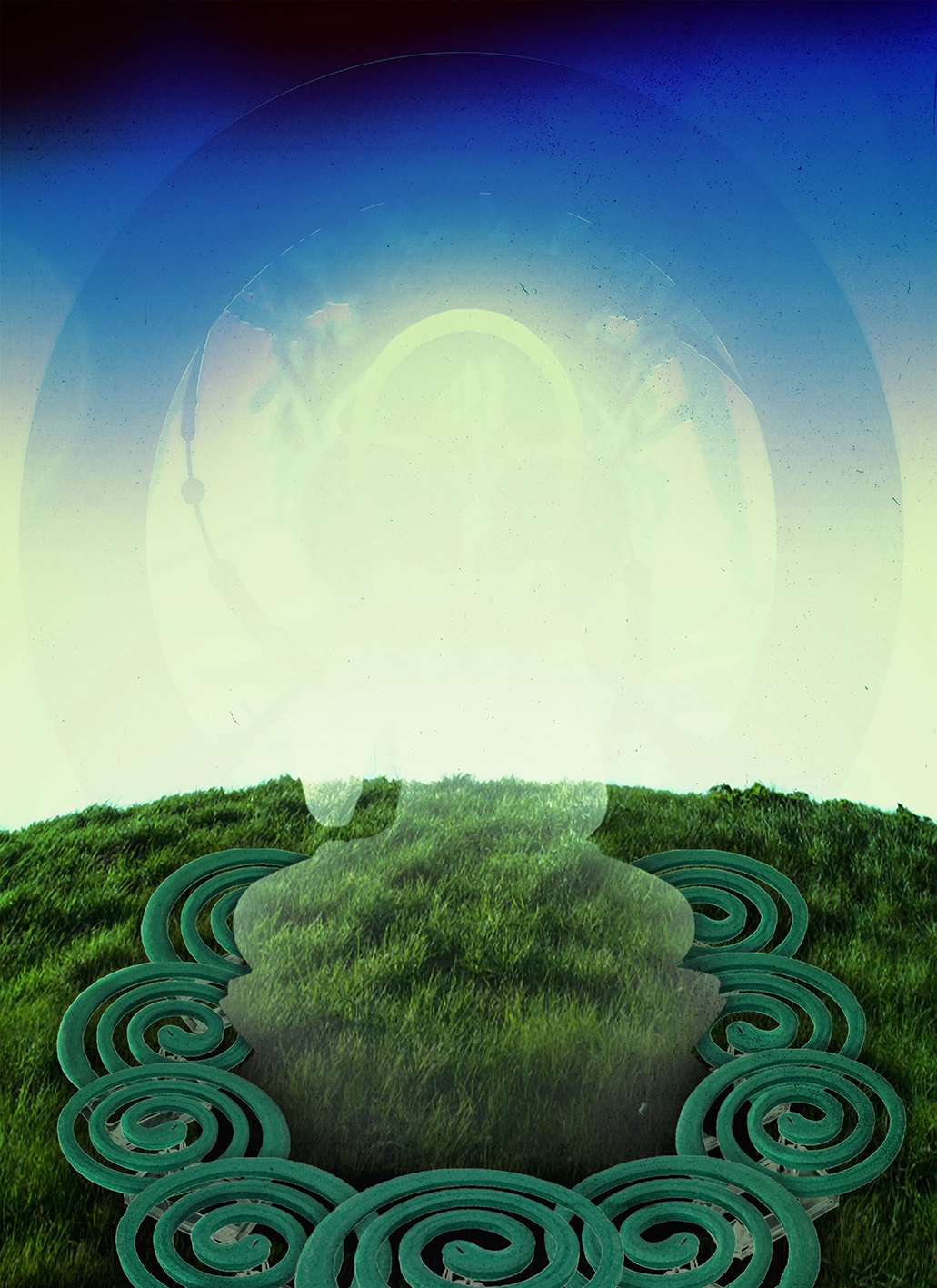
Spiralize (2025)

, , ,

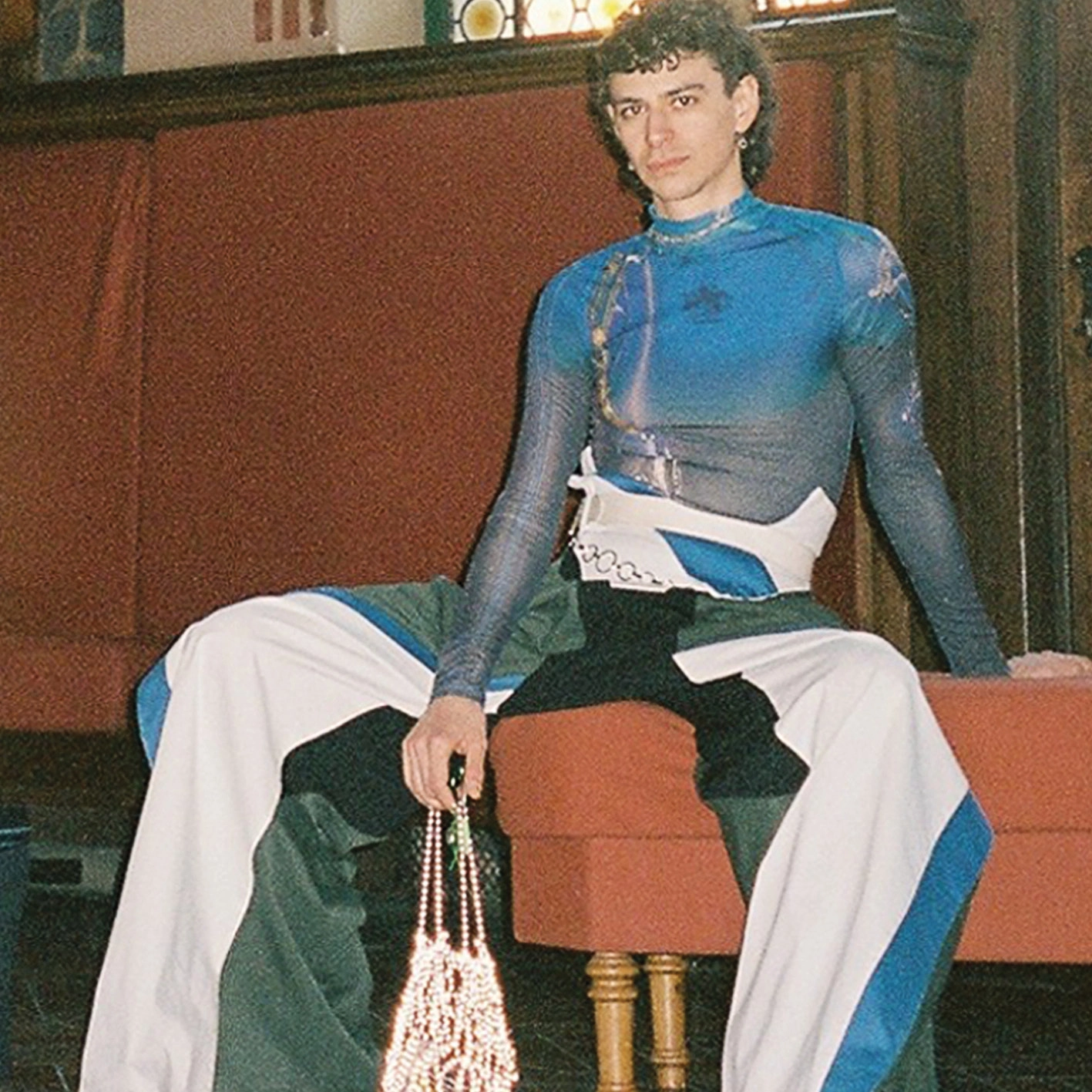
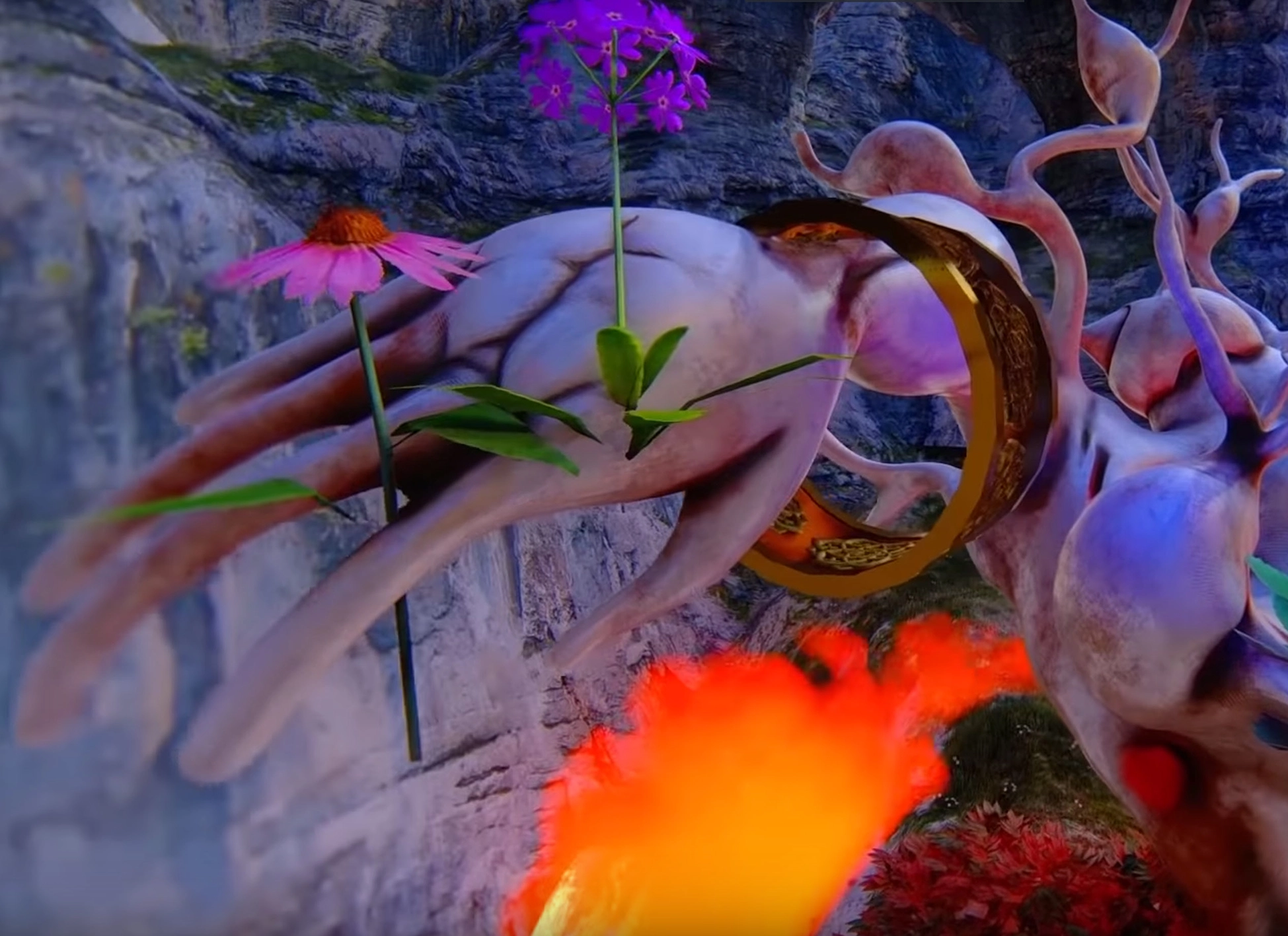
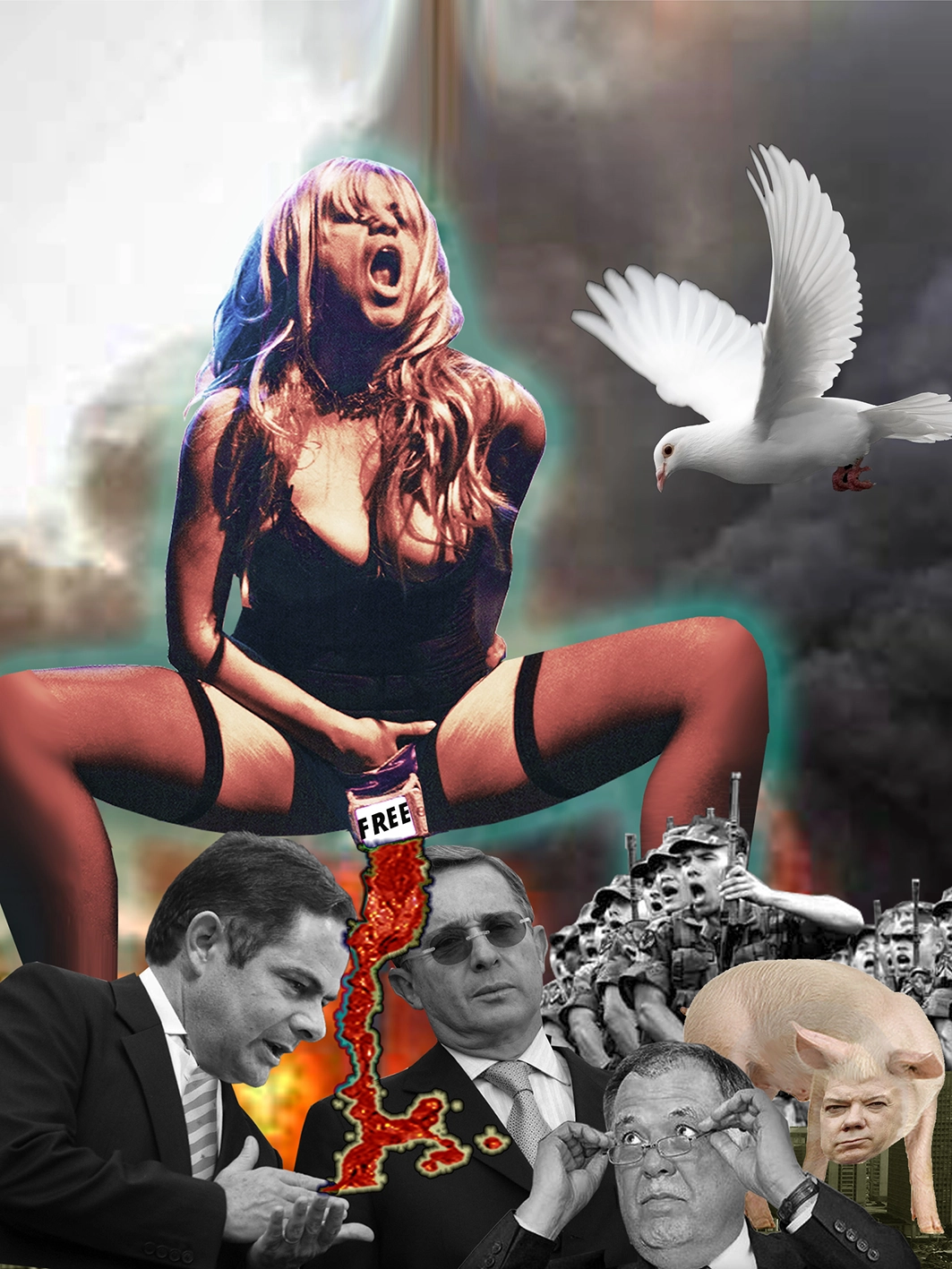
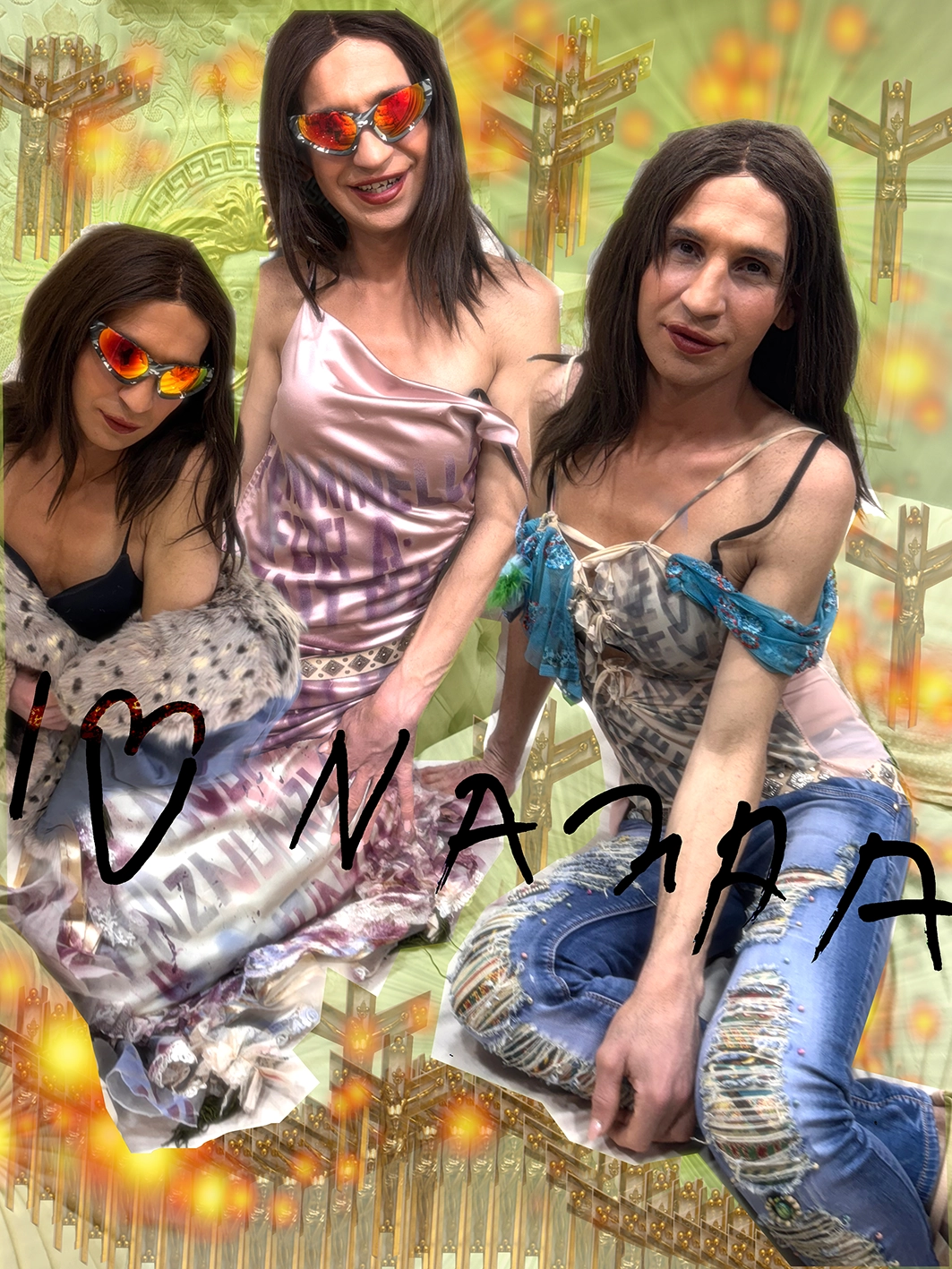
Wedding Scammer works at the intersection of digital culture and contemporary storytelling, using hybrid forms to construct environments where fiction and reality constantly overlap. Their practice draws on online materials, cultural symbols, and self-produced content to build narratives that feel both intimate and strangely collective. By recombining familiar visual codes and social behaviors, the work highlights how identities are performed, mediated, and negotiated within networked spaces. Rather than offering fixed meanings, Wedding Scammer creates open structures that invite viewers to reflect on desire, belonging, and the ways technology reshapes emotional and symbolic exchange.

Artist Statement

Spirals bridge the past and present, symbolizing the flow and unpredictability of life. This design reflects on life’s recurring challenges and growth, with spirals amplifying the journey of a figure poised for transformation. They serve as visual mantras, reminding us of life’s dynamic nature and the potential for triumph.

Printing & Material

All editions are produced using professional pigment printing technology, ensuring exceptional colour depth, smooth tonal gradations, and long-lasting archival quality. This process delivers museum-standard digital fine art prints with outstanding sharpness, minimal colour shift, and consistent results across both colour and black & white works. Each print is produced under controlled professional conditions to ensure consistency, durability, and fidelity to the artist’s original work.

Each work is produced as a museum-quality fine art pigment print on Hahnemühle Photo Rag® Baryta, digitally signed by the artist and accompanied by a certificate of authenticity, and released in strictly limited editions.

All editions are printed on Hahnemühle Photo Rag® Baryta, one of the most renowned fine art papers in contemporary photographic and digital art practice. This exceptional 315 gsm, 100% cotton paper combines a delicate, tactile surface with a luminous baryta high-gloss finish, offering outstanding depth, precision, and tonal richness.

Widely used by artists, galleries, and museums, Photo Rag® Baryta meets the highest standards for archival fine art printing. The paper is acid-free, OBA-free, and museum-certified, ensuring long-term stability and preservation.

Each edition is produced with professional pigment inks, creating a work that is not only visually powerful, but also conceived as a lasting collectible object — materially, conceptually, and historically.
curated by

CURATOR

Lorenzo Xiques

Lorenzo Xiques: Practice and Context

Lorenzo Xiques (b. 1983, Caracas) is an independent curator operating from Naples, Italy. His practice is characterized by a rigorous inquiry at the intersection of contemporary art, performance studies, and critical social research. Xiques’ professional trajectory began following academic studies in architecture, an experience that informs his structural and spatial understanding of curatorial development. Fundamentally, his curatorial path is shaped by his personal history as an immigrant, arriving from Venezuela to Southern Italy at age eight.
This experience —starting from zero, learning a new language, and assimilating to a different culture without resources or family connections in the arts— is described as his punto di arrivo (point of arrival), profoundly affecting his perspective. From 2013 to 2017, Xiques held the position of Artistic Director at Quartiere Intelligente in Naples, where he established cultural programming focused on the discourse of sustainability and emergent urban practices. His institutional collaborations are significant, including ongoing work with museo Madre, a coordination role at Casa Morra Archivi d’Arte Contemporanea from 2017 to 2018, and for performance art within the Volcano Extravaganza festival (Fiorucci Art Trust) edition 2017 and 2019.
Since 2017, he has collaborated with Galleria Fonti in Naples, promoting young national and international artists focusing on a language and research that explores a poetic conceptualism.

Curatorial Thesis: The Outsider’s Path

As an “outsider” to the closed circuit of the artistic elite, Xiques found alternative paths that allowed him to shape his curatorial voice on his own terms, unburdened by tradition. He conceptualized Instagram as a digital sanctuary that enabled him to bypass geographical, social, and financial barriers, conducting research and building a global community where he could share and communicate art “how I want to.” This “virtual path” transformed professional frustration into an energetic catalyst, providing the possibility to “break through structural barriers.” Xiques’s research concentrates on the investigation of themes relating to gender, identity, and the complex reciprocity between advanced artistic experimentation and models of collective life.

Aesthetic Refusal and Embodied Knowledge

The artists selected for the King Kong Editions collection are united by a shared commitment to creating work that is a direct extension of their personal and political realities. Xiques champions artists who refuse rigid formalism and are often conventionally considered “ugly” for their richness and authenticity. This stance directly challenges the long Italian tradition of arte povera, minimalism, and conceptualism. At the core of this curatorial conceit is the idea that the work is not theoretical but an expression of embodied knowledge, diasporic, and queer methodologies. The artists and their work are “testaments to alternative narratives” and “new imaginaries” that blend the past, present, and future. Recognizing that “contemporary art is a Western language,” Xiques is interested in artists who negotiate the paradox of translating their heritage into a contemporary art code. Like the “diasporic rat” metaphor he cites, the work operates as an imboscata(ambush)—disrupting established art geographies and hierarchies from the edges.

Art as a Gift, Not a Trophy

For Xiques, this Editions project, which includes works by his close friends and collaborators, is not only a natural curatorial fit but also a powerful solution to the inaccessibility he has faced. The collaboration seeks to create tactile bridges between his virtual community and the intimate space of the home. The artists were asked to offer a work that “you would love to gift to a friend,” shifting the relationship from ownership and status to one of personal connection and shared values. Xiques is thinking of the passionate art lover who can’t afford galleries but can, through this project, “buy an art print and have it in their house, be in company with it and feel part of a community.” This collaboration demands active participation, asserting that “There is no space for a neutral artist anymore.” The works are not theoretical or housed “in a vacuum,” but are “our lived experience,” representing an ongoing practice of building a more inclusive, meaningful art ecosystem.


ARTIST

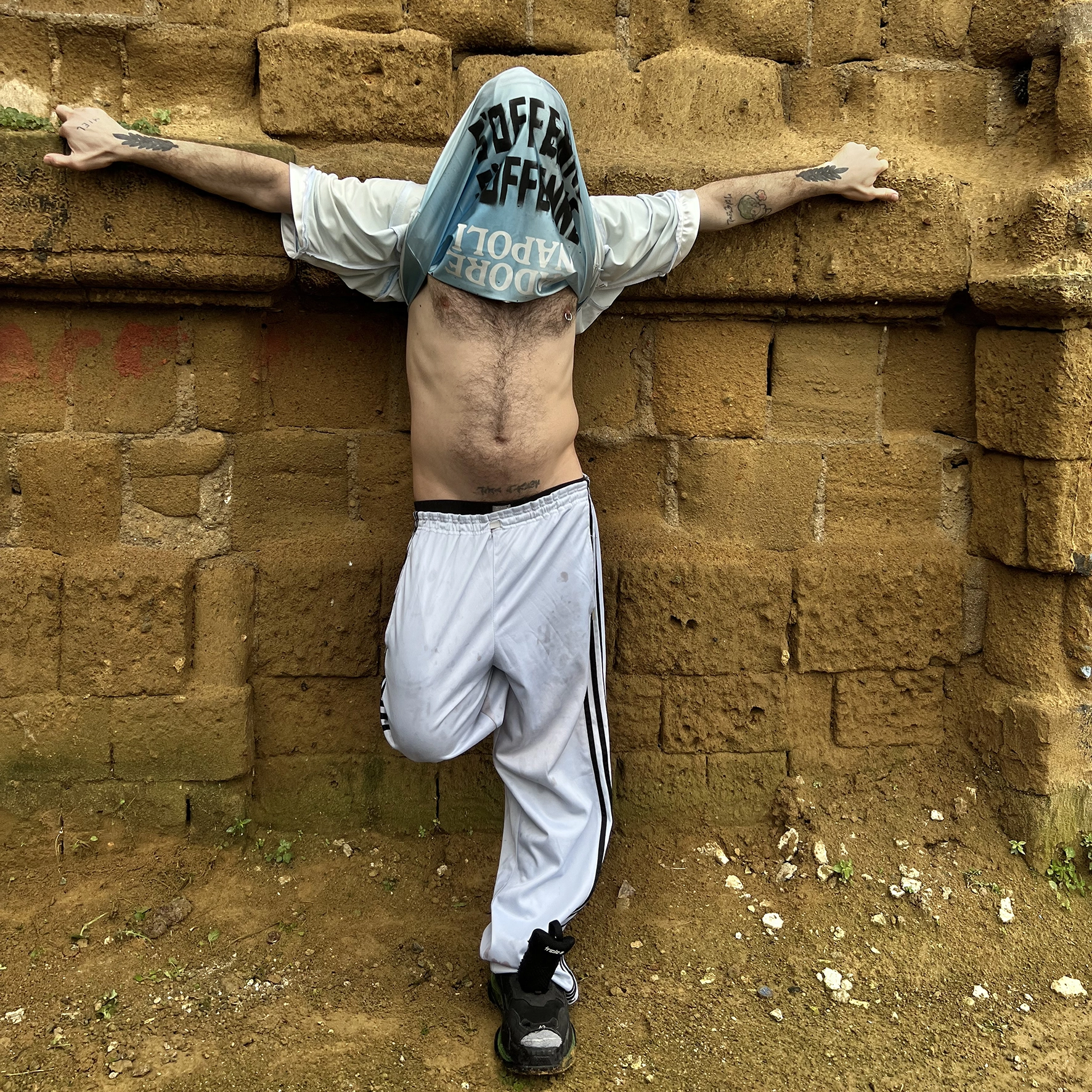
Wedding Scammer

What gesture, sensation, or state initiated your King Kong edition?

When I started working on this project, I was feeling overstimulated and unable to cut out the noise surrounding me. Understanding that moment made me want to translate it into something I could visualise. Even though we’re living in wavering times, we need to stay calm and focused — to align with ourselves and make our vision clear.

Was there a specific tension or intimacy you wanted to make visible in this piece?

Definitely an inner fight — where stratified layers of the same person finally meet at a dead end, and only some of them will survive. It’s the peace after a violent outburst, when the night is over and the sun begins to rise.

How do you want the viewer to feel in their body while engaging with this edition?

My approach for this edition was quite subtle. My hand was really soft — hiding things, but at the same time letting them scream. I’d like the viewer to get lost harmoniously in the warm colours, and to be invited to fill in the still-fragile borders of the body during its reconnection.

Do you see this piece as a ritual, an offering, or a confrontation?

It’s a confrontation — with ourselves, with that part of us we know perfectly well is hiding, but choose to ignore. It’s about acceptance, and the path toward inner peace.
What draws you to live formats rather than pre-recorded or static forms?
Sometimes I really need to freeze a feeling or a moment, especially when I can’t process it. Other times, I just need to release what I have inside — and switching to a live format feels like a run after having eaten and rested well. It’s a confrontation that makes you live fully in the moment.

How do you negotiate visibility and intimacy in public space?

This question really interests me! For now, I’m still working on it. As I mentioned, I’ve recently unlocked some energies and a clearer vision that are helping me play more with my persona. I’ve been asking myself the same question — I’m now experimenting and working around this topic.

Do you think about audience as witness, collaborator, or participant?

All three. I like to let the roles shift depending on the situation. Giving that rhythm helps me create a deeper, shared narrative.


BIOGRAPHY

Wedding Scammer is a multifaceted and protean artist whose work crosses and interweaves video, fashion, music and graphic design. His research is developed entirely in the digital sphere, exploring the contradictions and absurdities of the web through an approach of scraping and reworking. Fusing found footage, original materials and reinterpretations of pre-existing works, Wedding Scammer creates unexpected connections, mixing languages and references that give rise to new visual and narrative possibilities. Through a layered and fragmented aesthetic, he explores how technology affects the perception of self and others, interweaving personal and collective dimensions. Central to her practice are relational dynamics and a more intimate and symbolic quest, drawing on shared images and archetypes. His work questions the relationship between identity, memory and digital reality, opening spaces for reflection on what it means to be human in a context increasingly mediated by technology.