Collaboration seems central to your practice. Was this edition created solo or collectively?
This edition came out of a project I did collectively where I invited the artists Alfonso Bueno Lima, Rebecca Pokua Korang, and Tere Stout to symbolically join my maroon group in order to perform a speculative ritual that invites a fifth member, Johann Hammes, the German metalworker who sabotaged the Third Reich while serving the army. This materialized in the form of a short film that was shot in the Berlin forest where the Nazis executed Hammes and 230 other dissidents. In addition, I also made a painting on a steel machete.
If this edition were a portal, where would it lead us?
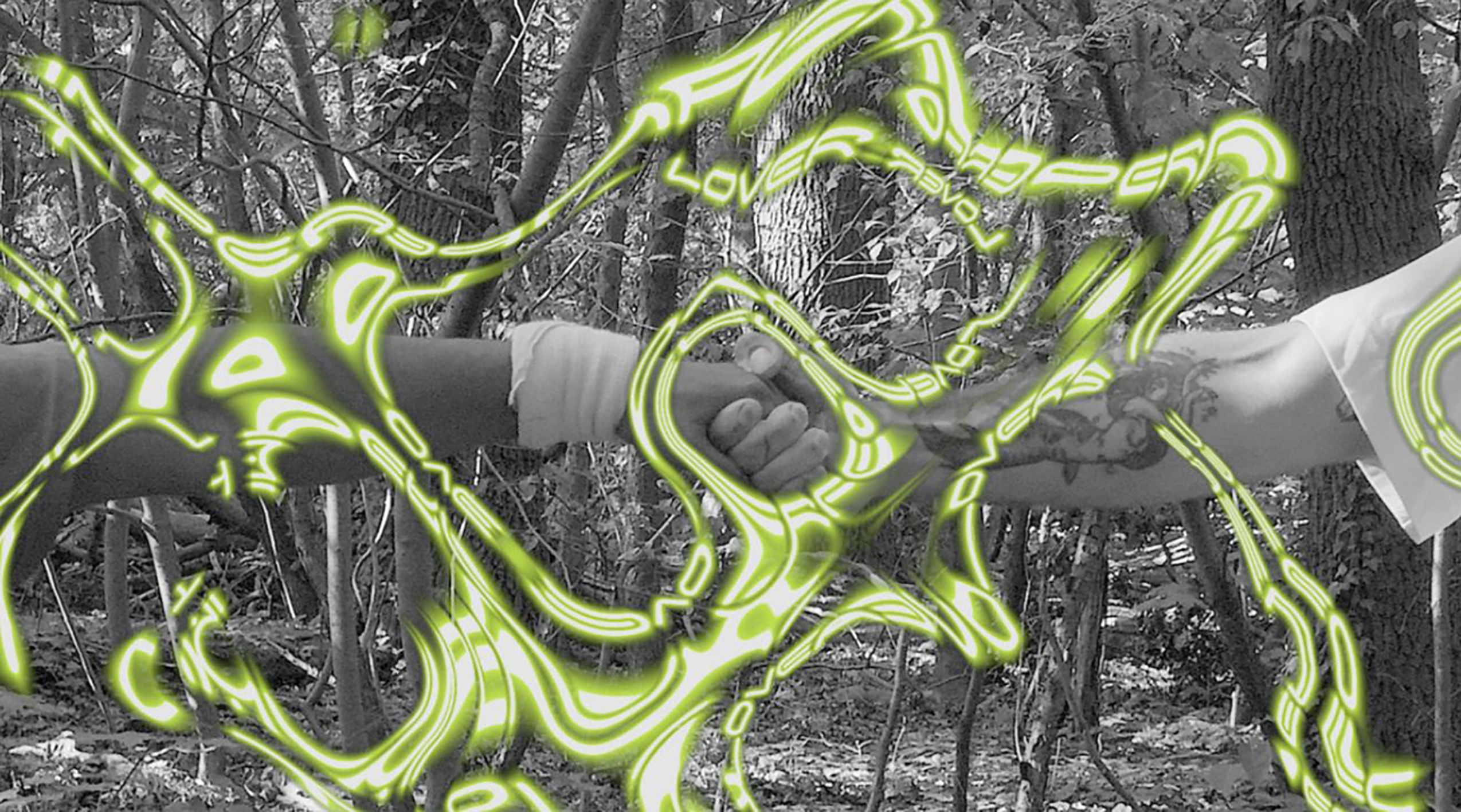
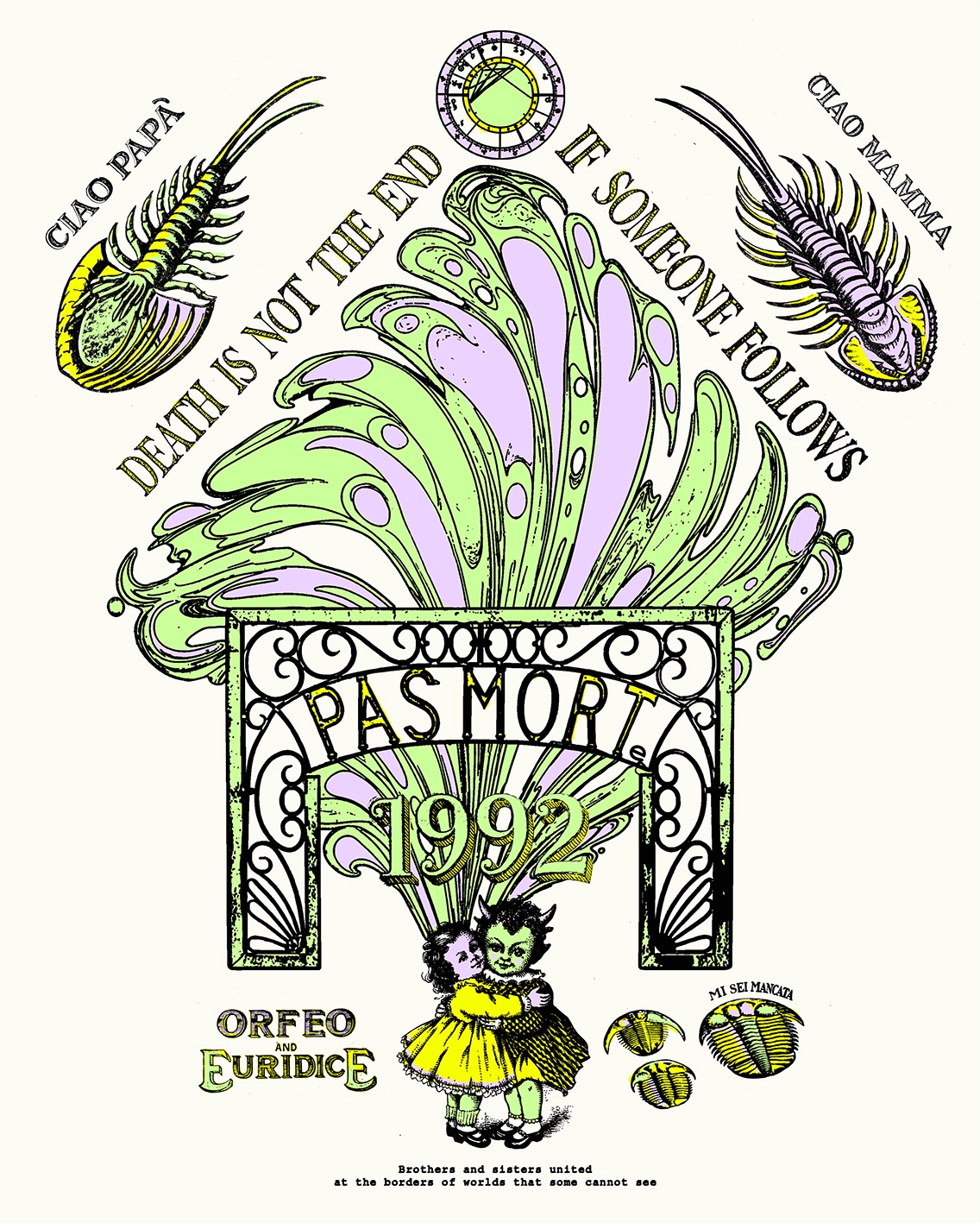
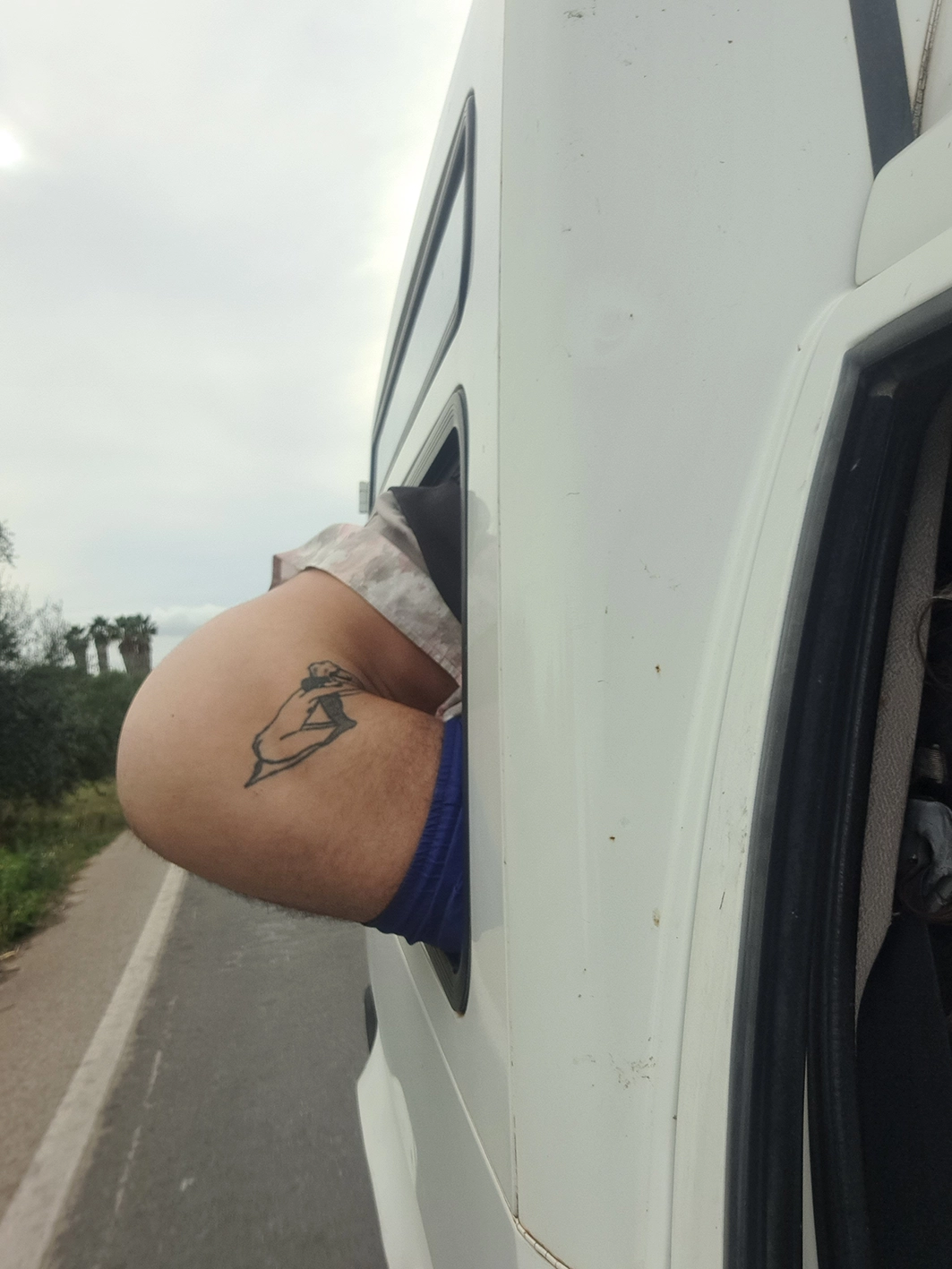
Actually, it is a portal! The image you see tells the story of two little-known dissidents from different geographies and timelines. Manuel Calafate was an Afro-Brazilian Muslim abolitionist who plotted the Malês revolt, the largest uprising led by enslaved people in Brazil. It turned out to be unsuccessful, but his actions are still inspiring people today. And Johann Hammes who consistently sabotaged the Nazi regime by teaching other soldiers how to harm themselves in order to avoid fighting for the Nazis and made faulty weapon parts. Both of them were imperfect in their ways, but that didn’t stop them from contributing to the end of two genocidal regimes.
How do queerness and physicality interact here?
In this work, queerness is in the small gestures of dissidence and love. While there are two supposedly same-sex hands touching in nature, queerness here exists in how we got together in the forest for a different kind of “cruising,” in order to summon the spirit of a deserter who in his time did the queer thing of going against the status quo. Today going against the regime in power feels like a very urgent queer thing to do once again.
What memories or emotions surfaced while creating this edition for King Kong?
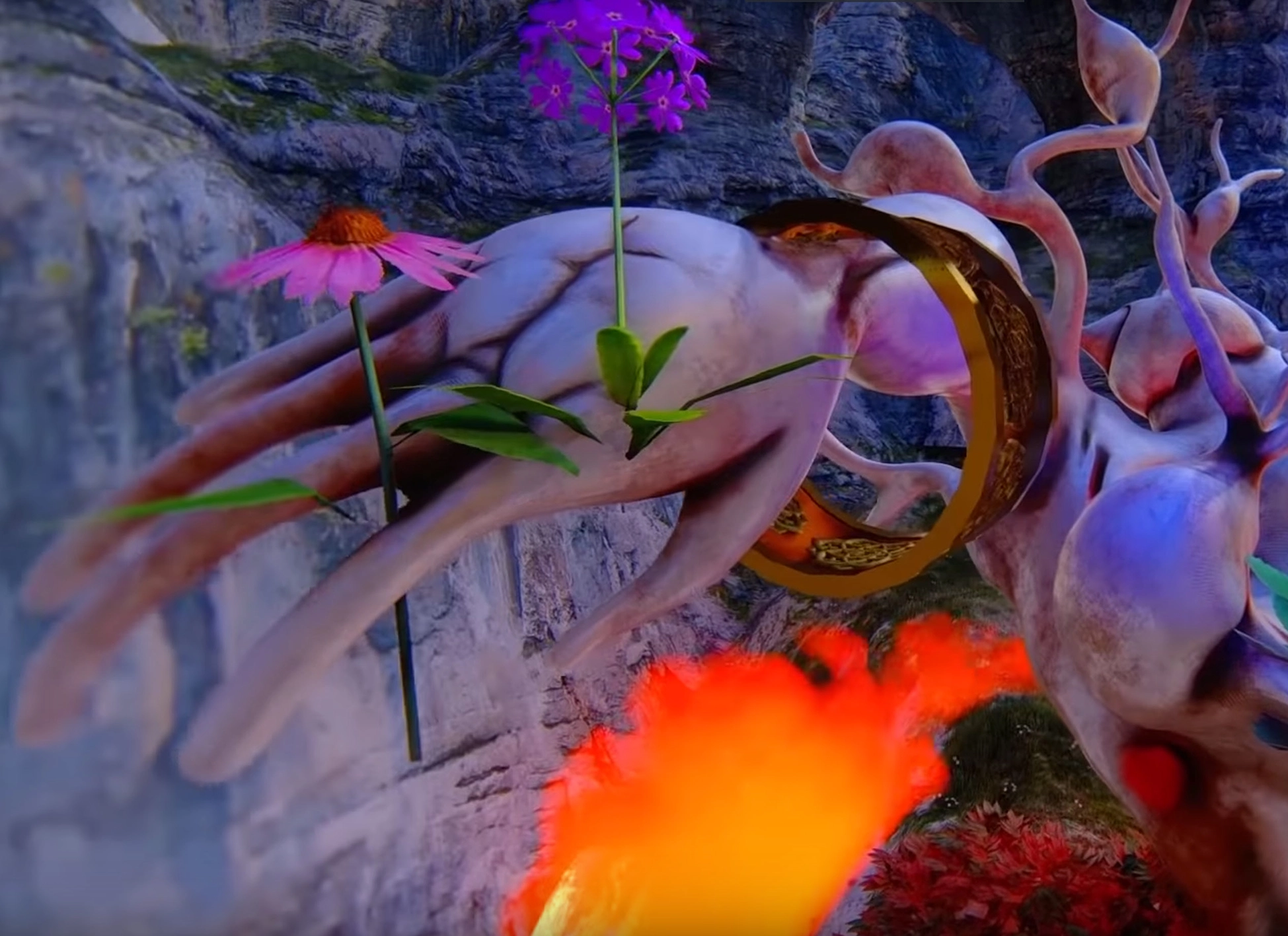
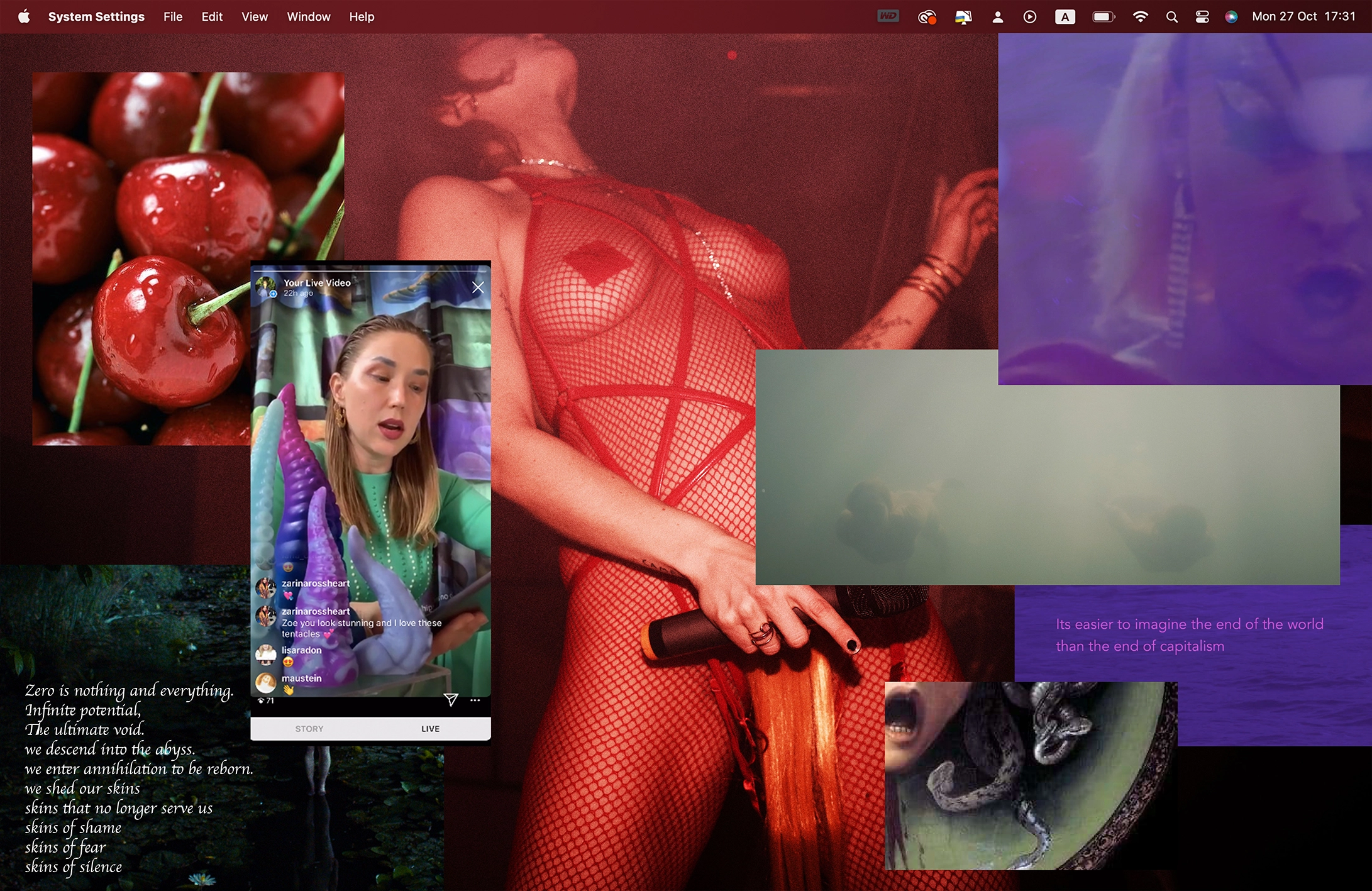
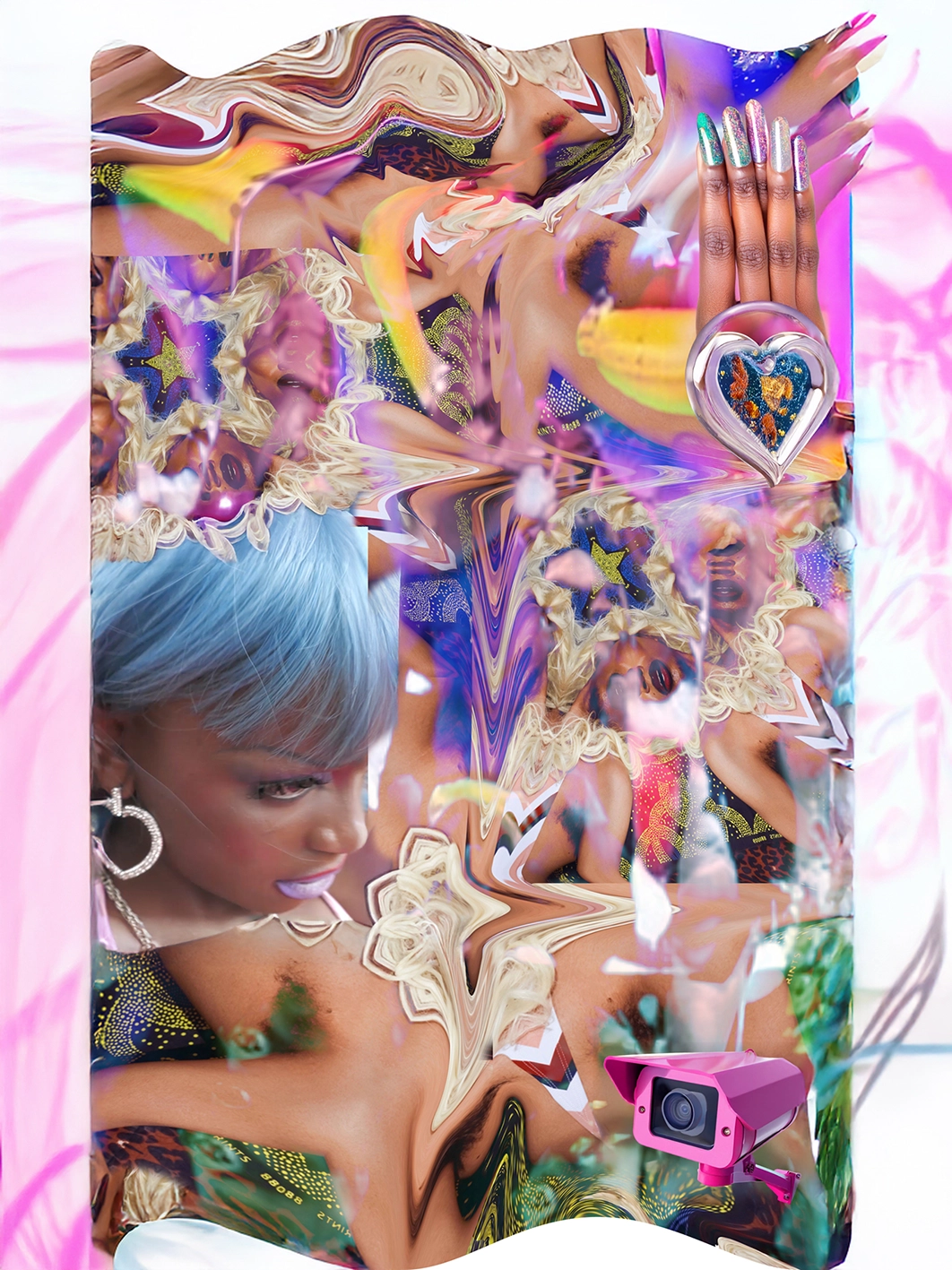
Doing the design of the edition brought back memories of another work cycle of mine, SHTV (2020-2023). It was a collective project dedicated to body dissidence and biopolitics that investigated topics such as sex work, indigenous queer ecology, trans epistemology, posthumanity, the pharma industry, and others.
In what ways do your origins and diasporic experiences shape the themes you choose to investigate?
As an Afro-Indigenous person, in my artistic practice I engage with the worlds inside of me and the ones outside of myself. That means that I often research the stories of my ancestors on both sides of the Atlantic and put it in conversation with my immediate surroundings. In this case I researched Afro-Indigenous solidarities in Latin America and quotidian dissidence in Nazi Germany.
How does your artistic practice engage with contemporary social and political issues?
In my artistic practice I combine western and non-western epistemologies to give new life to forgotten archives. What’s interesting for me is how to connect these archives to what’s happening today. So for this project I connect 19th-century anti-slavery rebellions with dissidence against Nazi Germany, with contemporary collective worldbuilding as an alternative to the neoliberal and right-wing status quo.
Which formal or conceptual strategies do you employ to challenge dominant narratives around race, gender, or sexuality?
Guided by indigenous queer ecology and the Black radical tradition, I often use the maroon concepts of camouflage, opacity, and circular time. This means that I work with history and memory as living technologies that reconstruct fluid realities that may seem of the future but actually have always existed, such as non-binary epistemologies, cross-racial solidarities, and Black-led community formation.
What kind of reaction, transformation, or awareness do you hope to activate in viewers through your work?
I hope to produce a sensuous experience and instill curiosity in the people who engage with my work. This project is only an entry point to the histories I’m telling. There’s so much more to know about the people whose stories I’m presenting here, and they explain our fucked-up present so well.
More about the project:
In 1835, Afro-Brazilian Muslim abolitionist Manuel Calafate co-organized the Malês revolt, the largest uprising led by enslaved people in Brazil. Though unsuccessful, many fled to Bahia’s forests, where they formed self-governing communities known as maroon societies, palenques, or quilombos. One of the most prominent ones, Quilombo dos Palmares, had thousands of members; under the motto: “Grouping, Organization, Distribution and Love.” These groups, which existed across Latin America, often united Black, Indigenous, and at times poor white people in resistance to oppression.
For Imperfect Lovers: A Ritual for Johann Hammes (2025), Will Fredo created a metaphysical maroon group by inviting three other artists to perform a ritual of a speculative invitation to a fifth member—the German forgotten hero Johann Hammes. There were only approximately 7,000 individuals known by name to resist the Third Reich—less than 1% of the population at the time. Johann Hammes was one of them. He was a working-class metal worker and soldier, one of the 230 deserters sentenced by the Nazi military courts and executed in the Murellenberg forest in Berlin at the end of WWII, for having continuously sabotaged the regime.
Filmed in the same forest 80 years later, as Germany veers towards the far-right once again, Will Fredo, Alfonso Bueno Lima, Rebecca Pokua Korang, and Tere Stout perform a ritual informed by maroon concepts including camouflage, opacity, and the circularity of time. The title is borrowed from Félix González-Torres’ Perfect Lovers (1991) and Aruna D’Souza’s Imperfect Solidarities (2024). By embodying the machete—a technology and symbol of maroonage—the performance functions as a poetic vessel that connects distinct geographies and timelines of imperfect forms of solidarity that are still taking shape across our fragmented world.