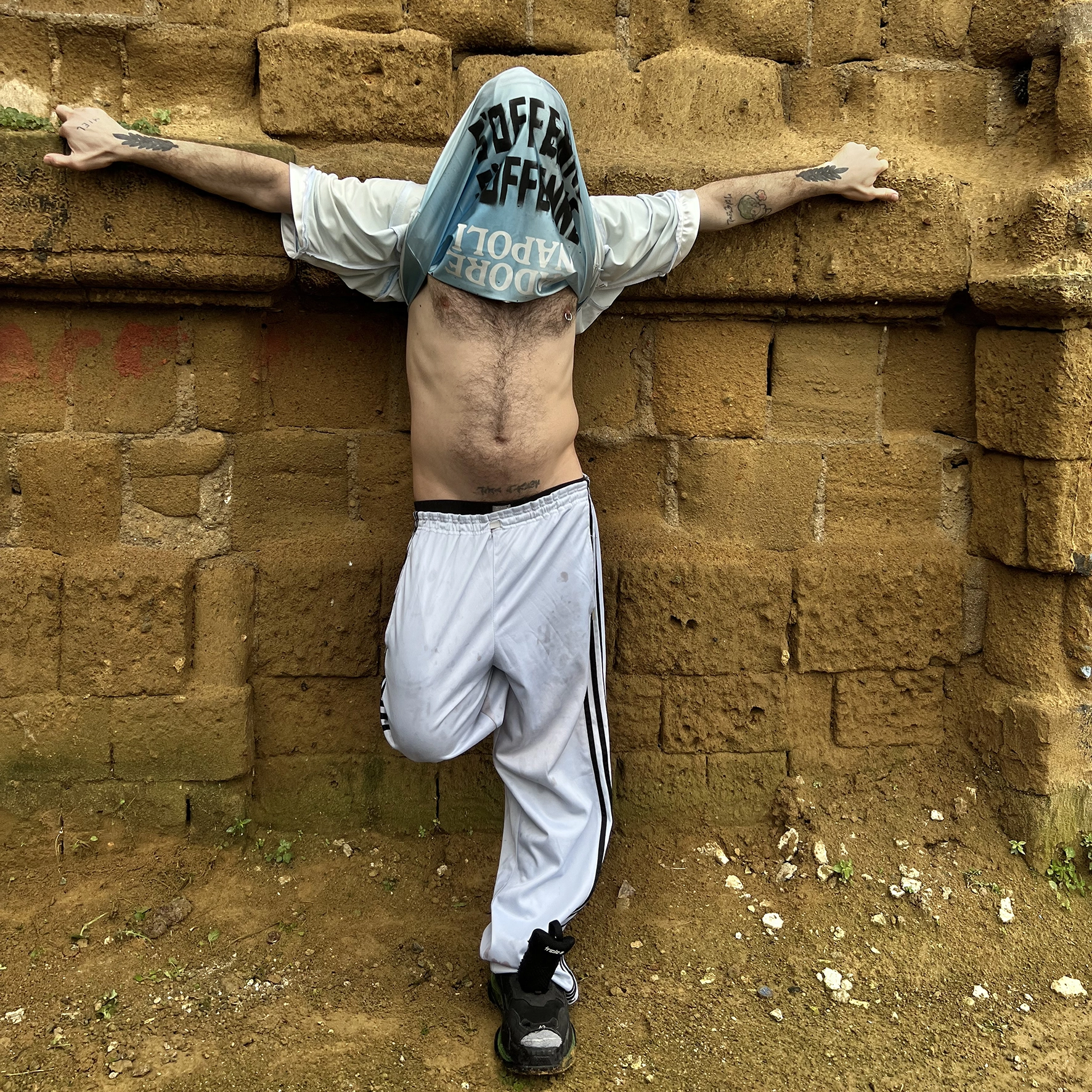
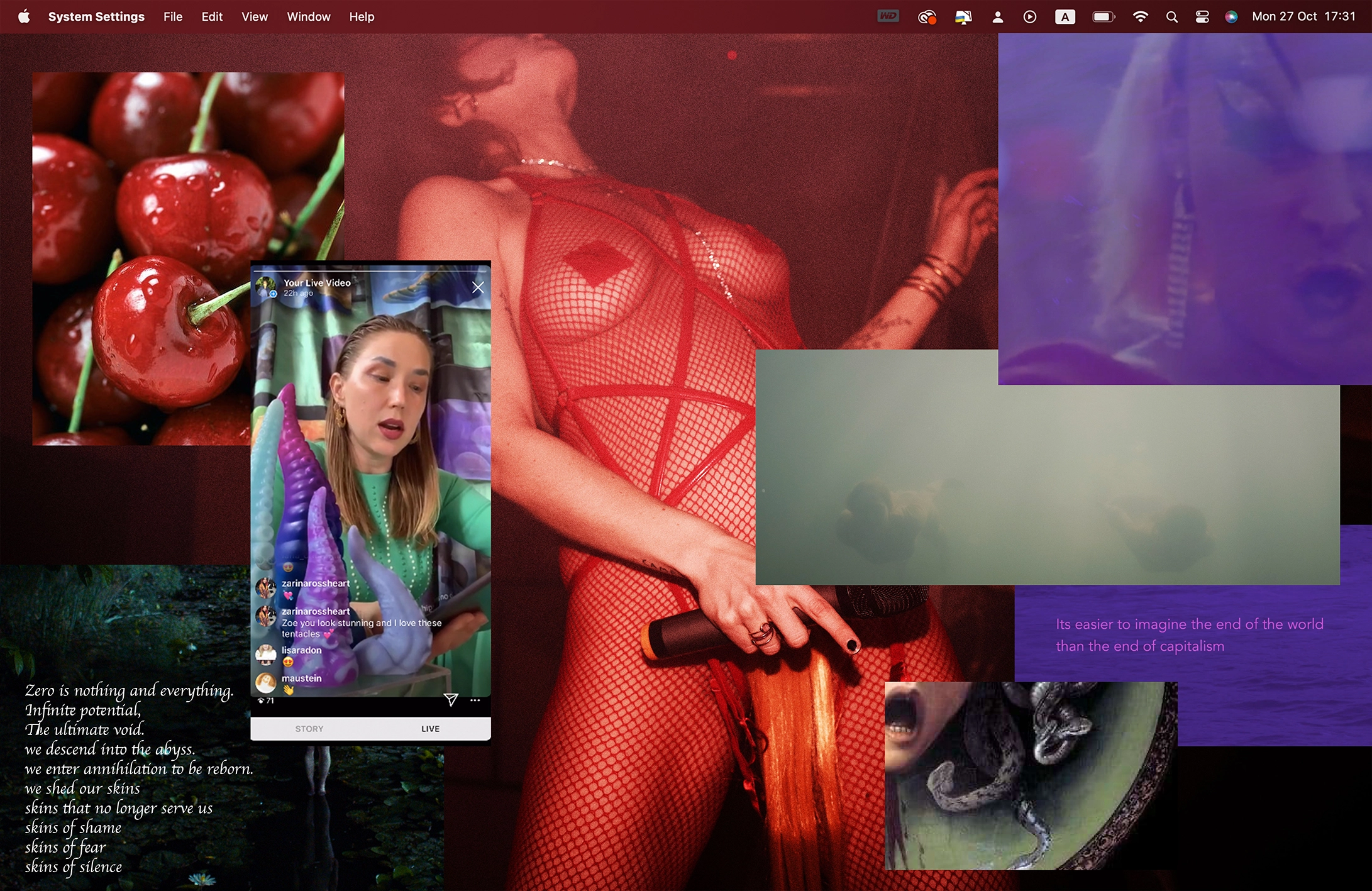
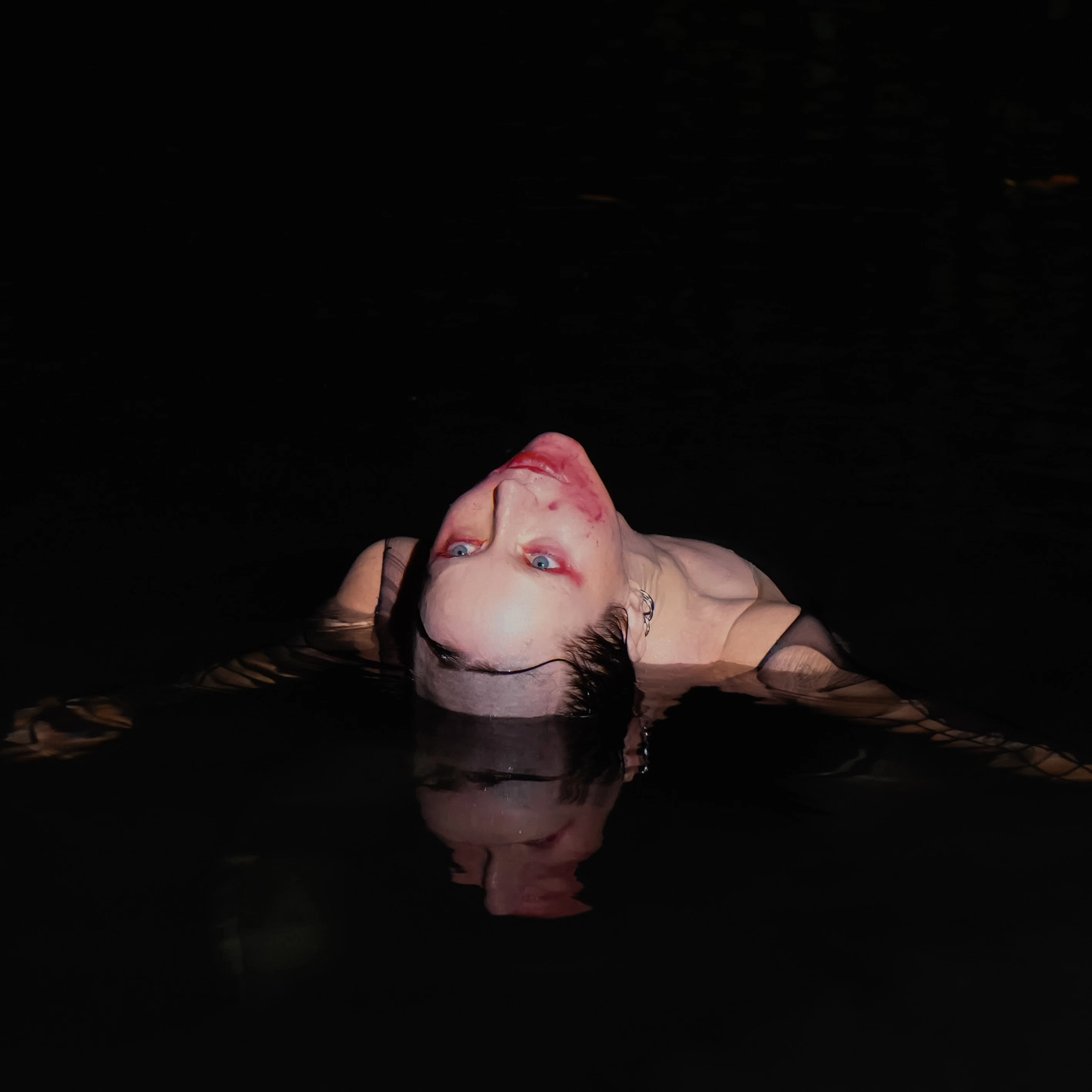
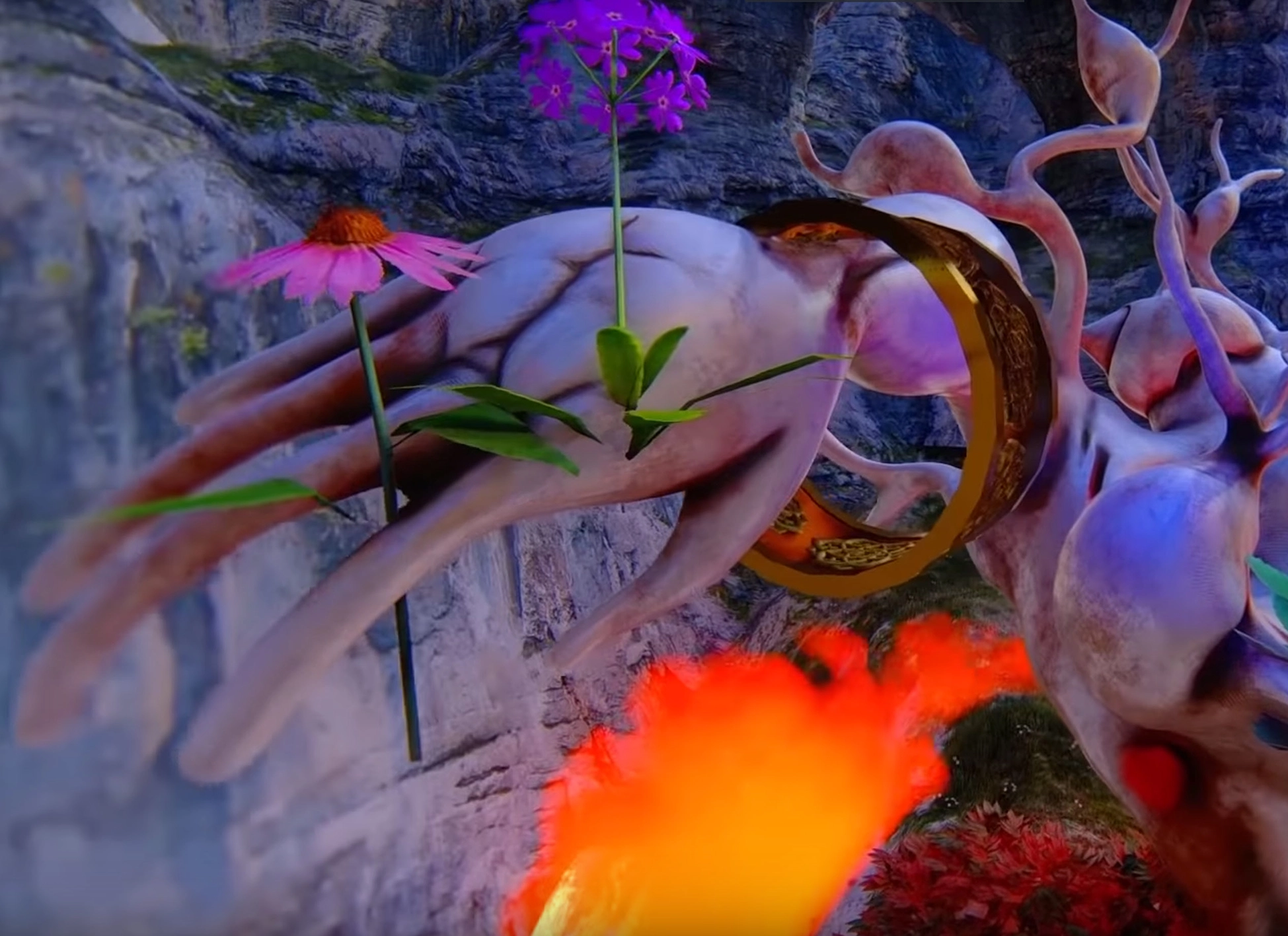
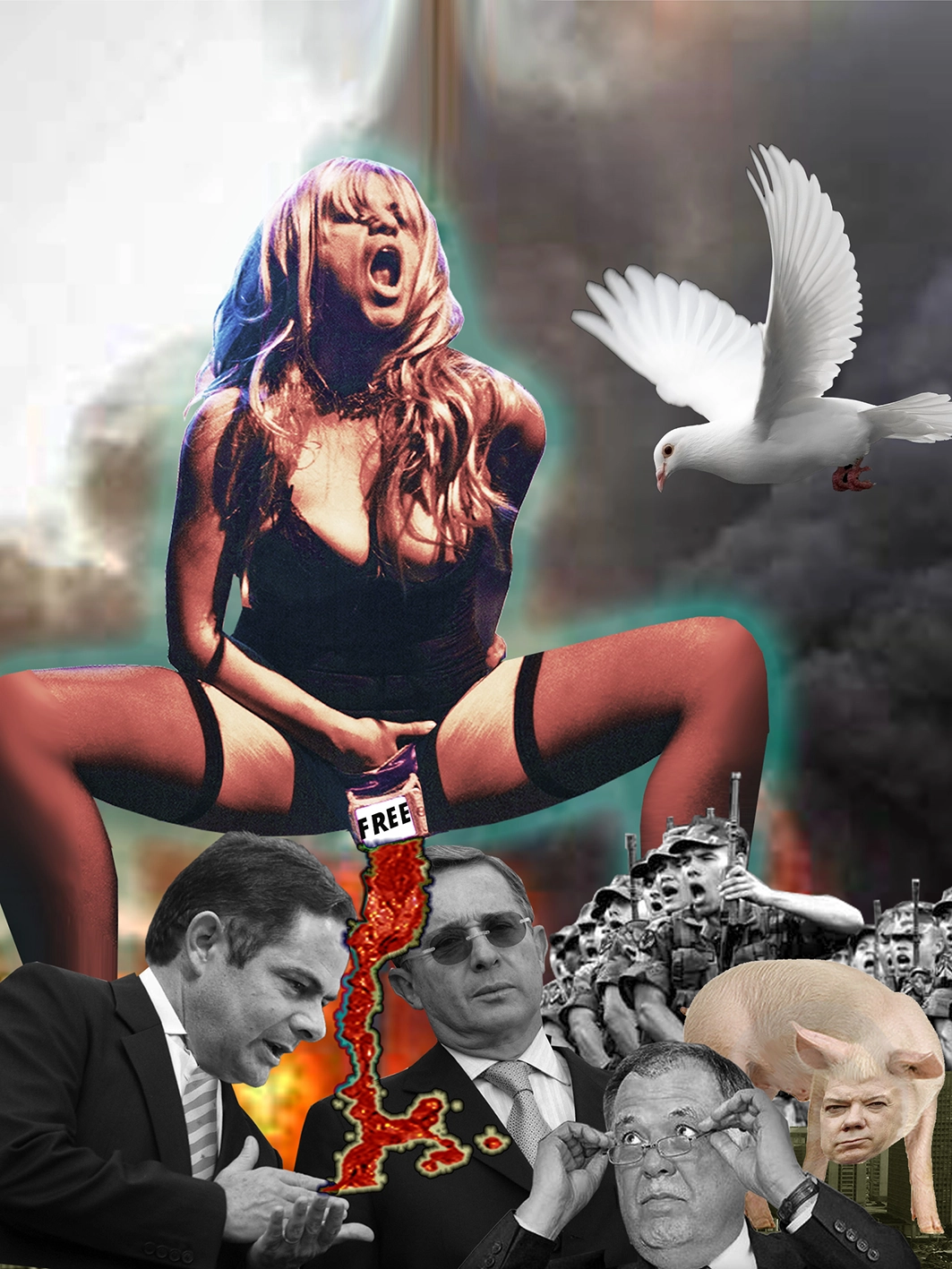
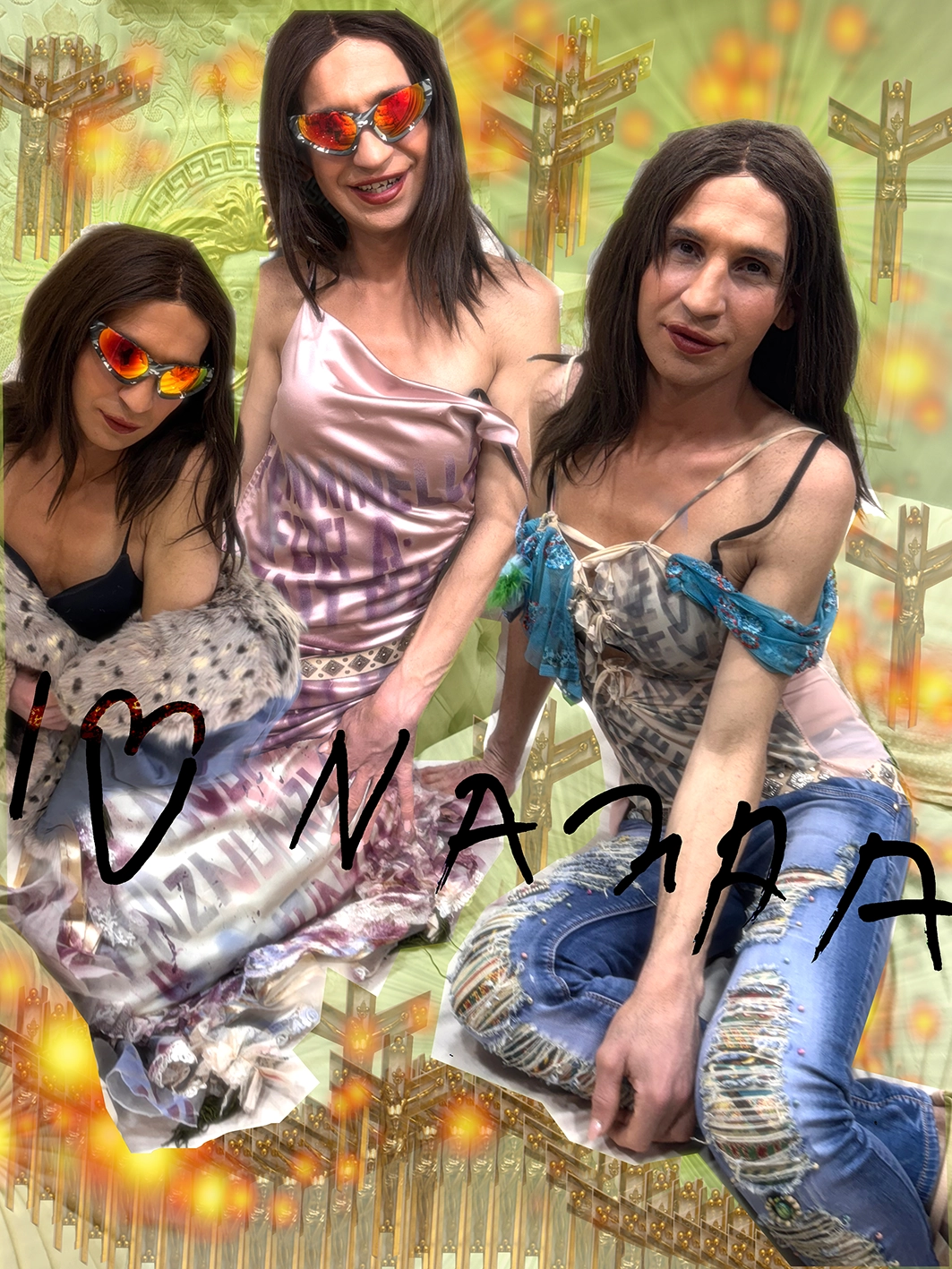
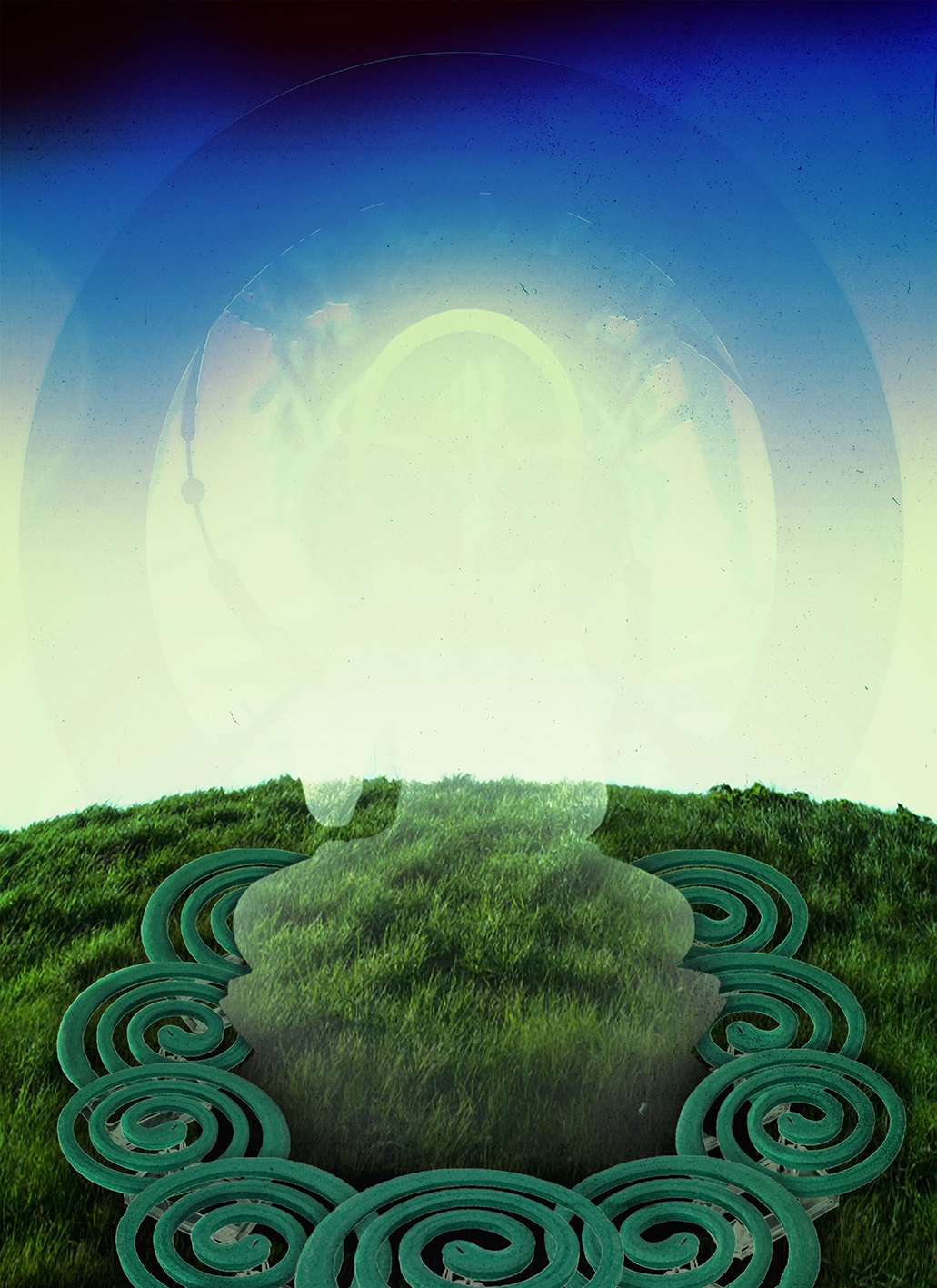
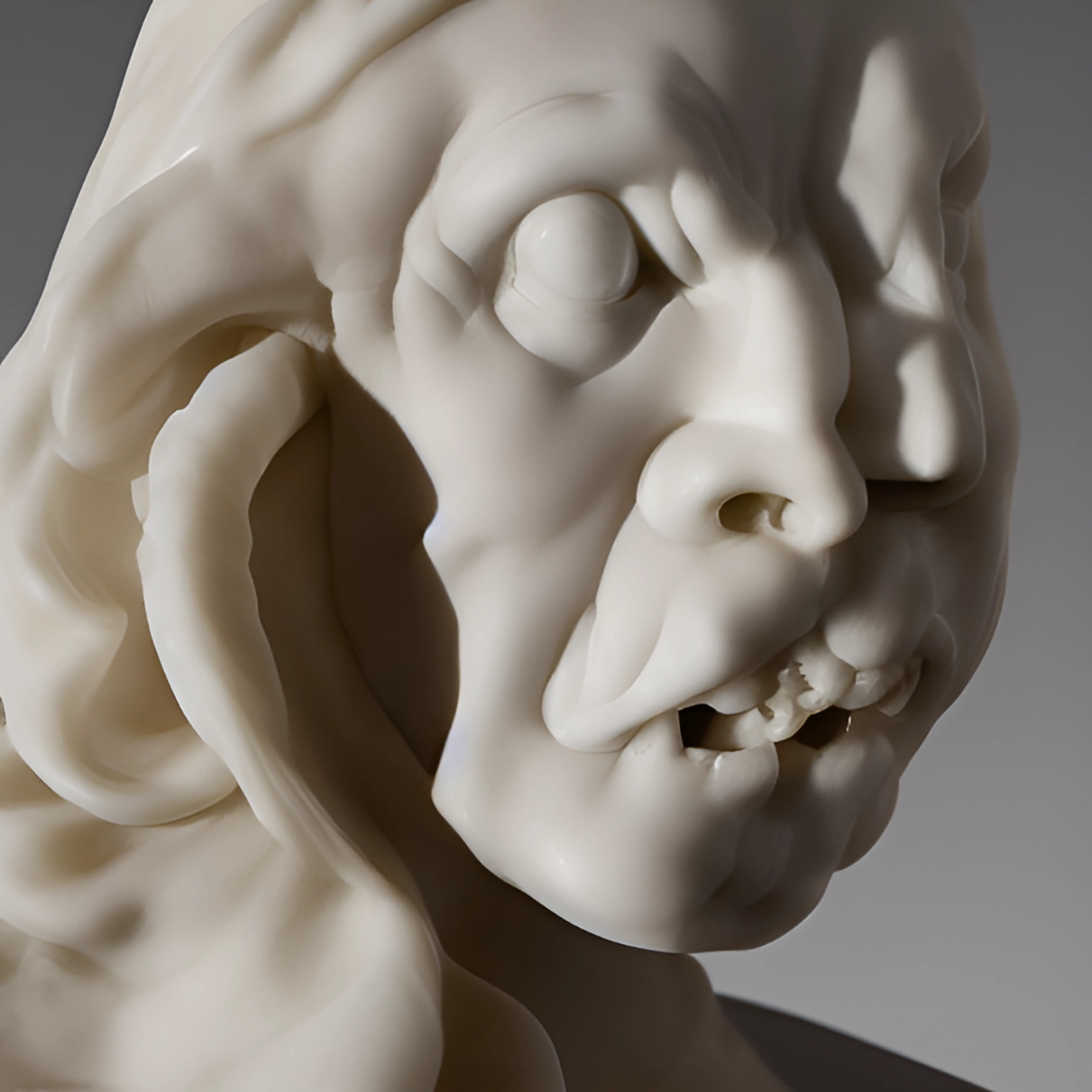
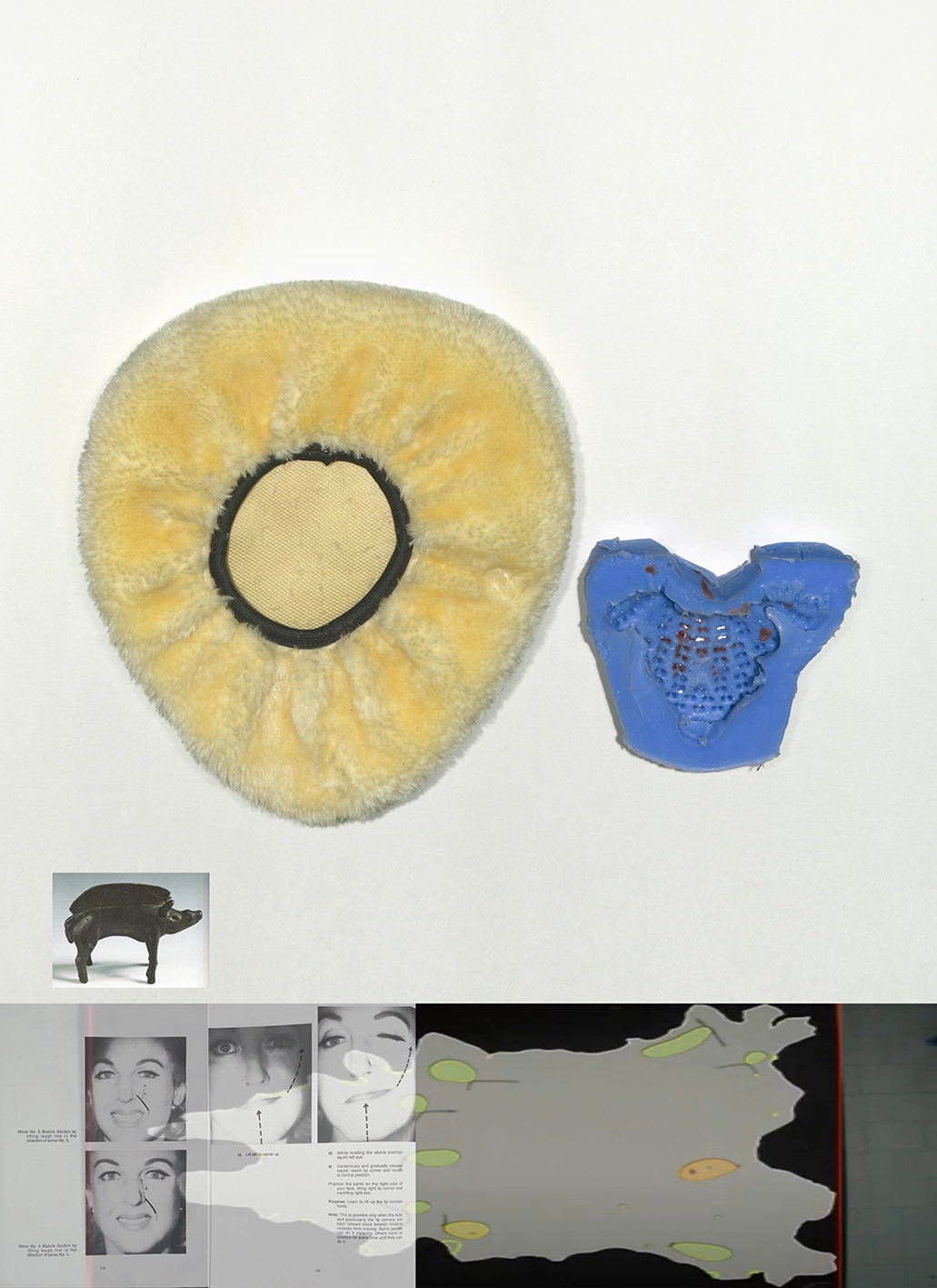
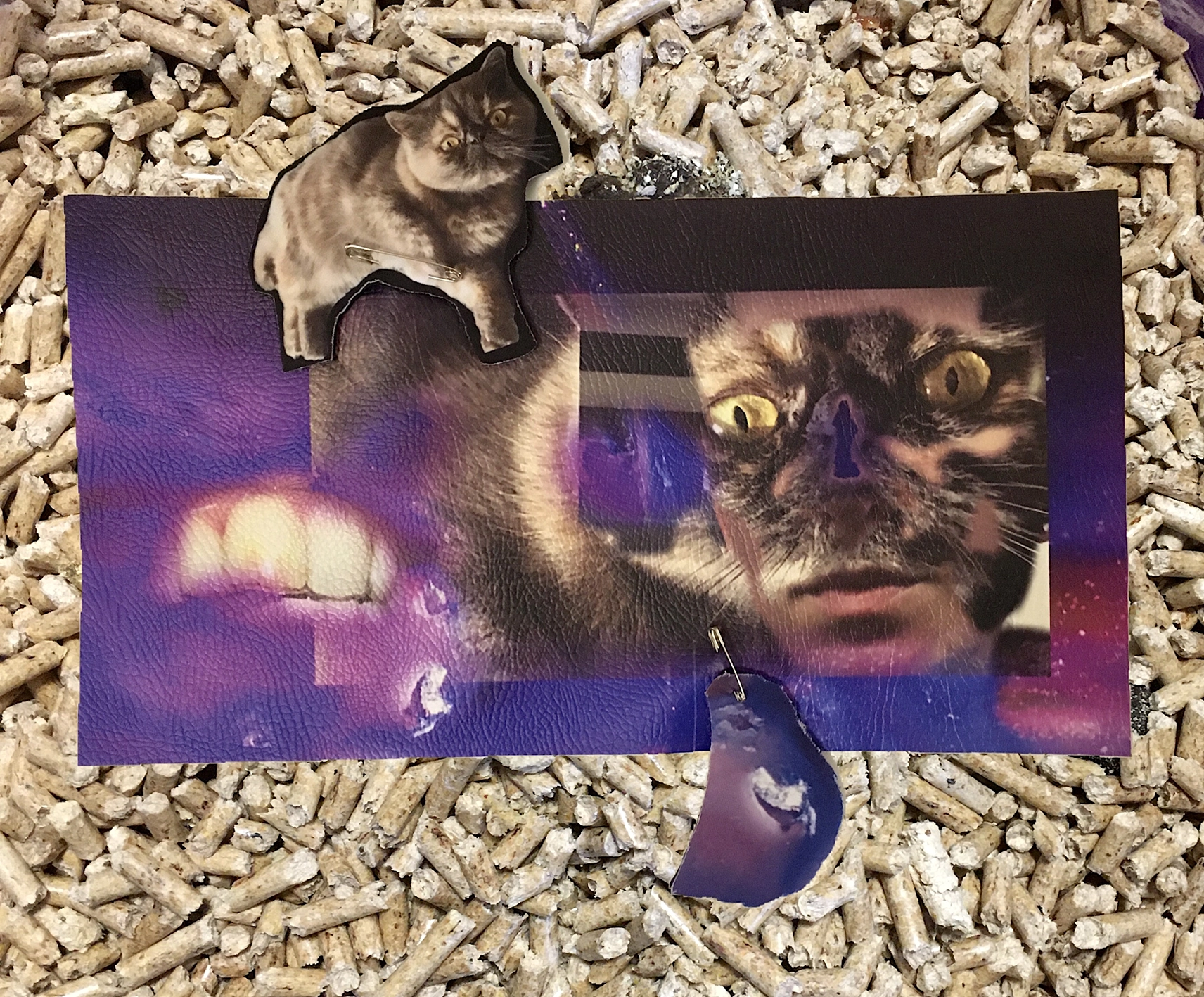
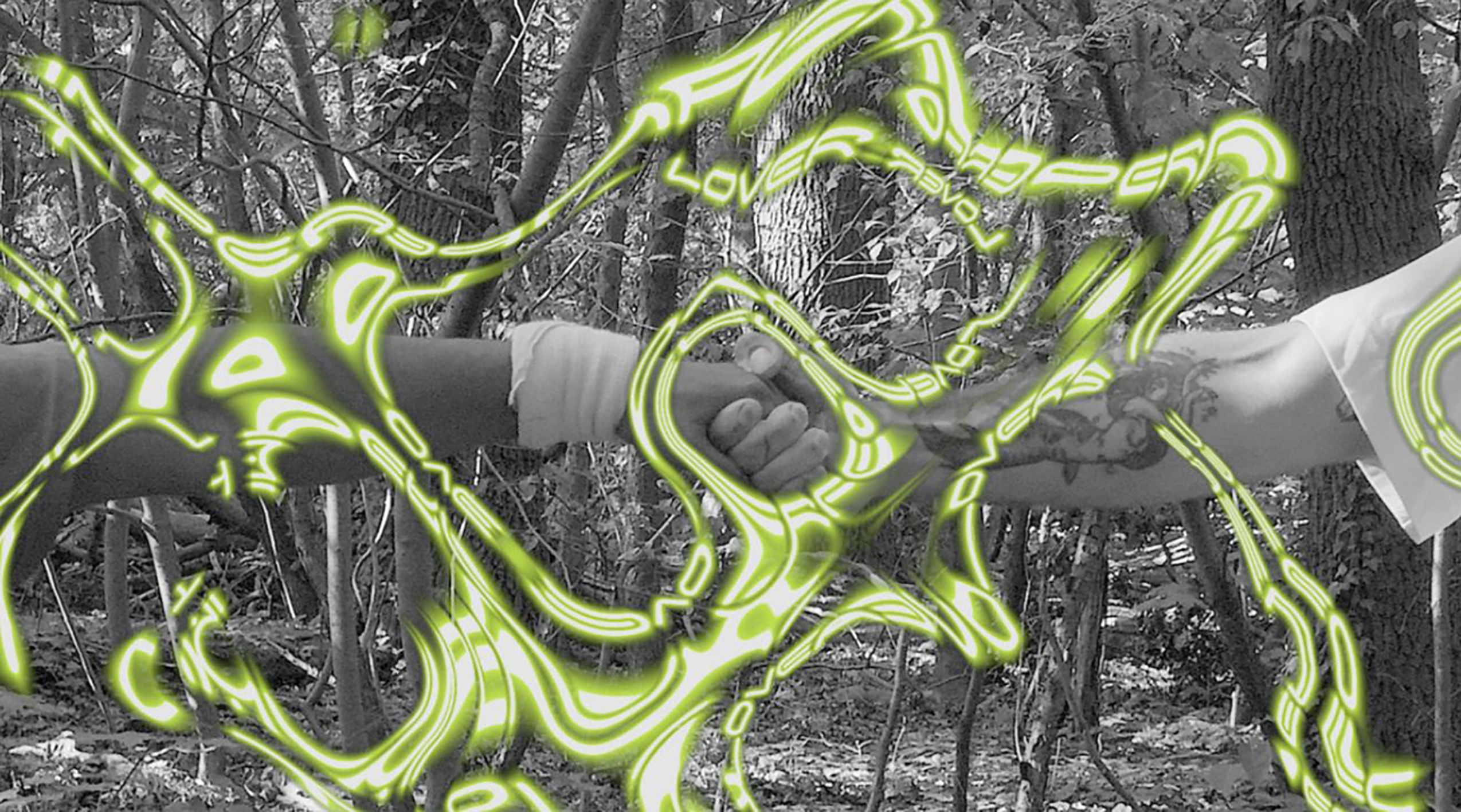
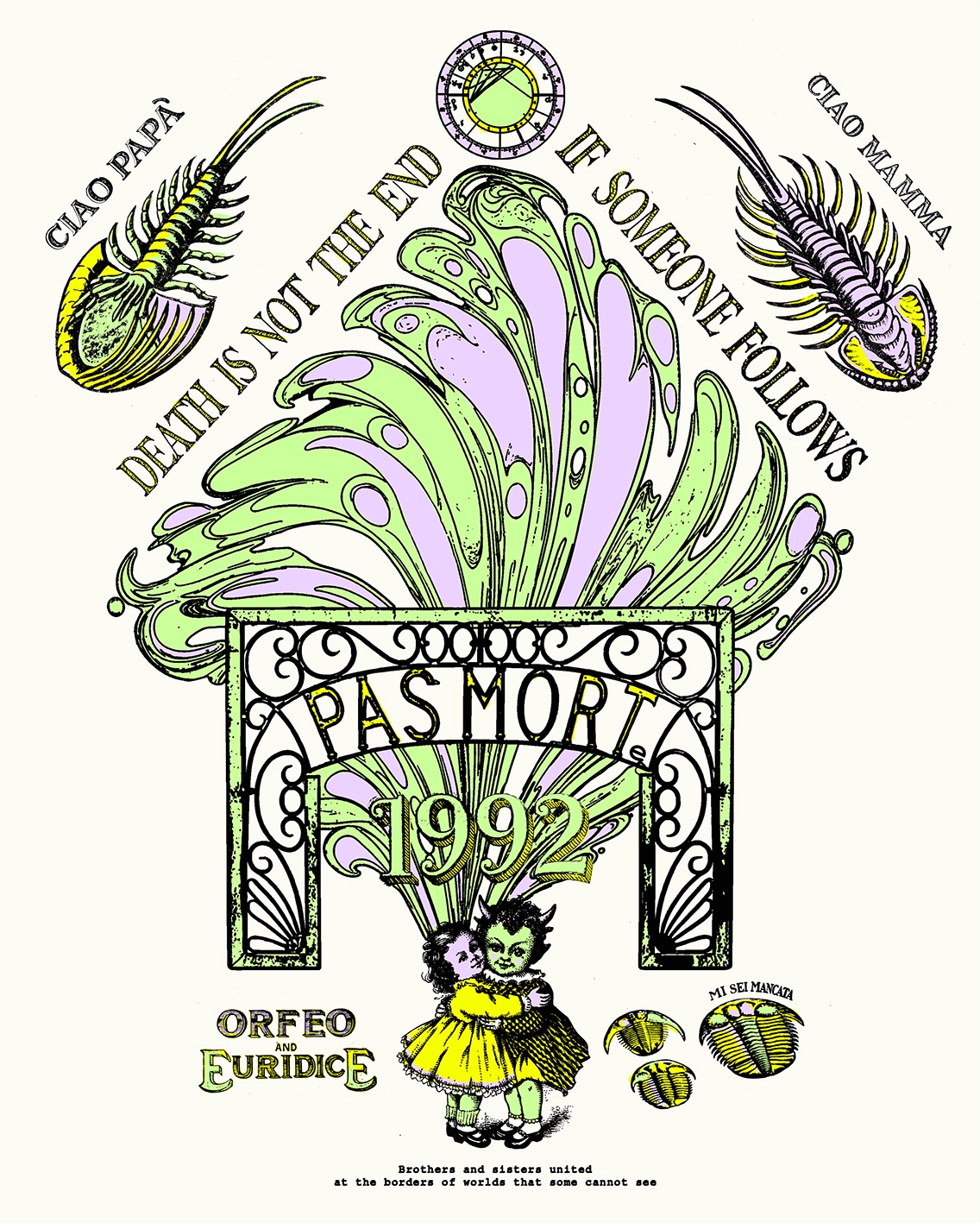
Zoë Marden is a Hong Kong–born, London-based artist, filmmaker, and performer whose interdisciplinary practice explores voice, ritual, and embodiment. Working across performance, moving image, sound, and installation, she creates immersive environments that navigate desire, vulnerability, myth, and memory. Rooted in queer ecologies and post-human feminist thought, her work foregrounds intimacy, collaboration, and collective care as forms of resistance and transformation.

Artist Statement

Zero is nothing and everything
infinite potential
the ultimate void
we descend into the abyss
we enter annihilation to be reborn
we shed our skins
skins that no longer serve us
skins of shame
skins of fear
skins of silence

Printing & Material

All editions are produced using professional pigment printing technology, ensuring exceptional colour depth, smooth tonal gradations, and long-lasting archival quality. This process delivers museum-standard digital fine art prints with outstanding sharpness, minimal colour shift, and consistent results across both colour and black & white works. Each print is produced under controlled professional conditions to ensure consistency, durability, and fidelity to the artist’s original work.

Each work is produced as a museum-quality fine art pigment print on Hahnemühle Photo Rag® Baryta, digitally signed by the artist and accompanied by a certificate of authenticity, and released in strictly limited editions.

All editions are printed on Hahnemühle Photo Rag® Baryta, one of the most renowned fine art papers in contemporary photographic and digital art practice. This exceptional 315 gsm, 100% cotton paper combines a delicate, tactile surface with a luminous baryta high-gloss finish, offering outstanding depth, precision, and tonal richness.

Widely used by artists, galleries, and museums, Photo Rag® Baryta meets the highest standards for archival fine art printing. The paper is acid-free, OBA-free, and museum-certified, ensuring long-term stability and preservation.

Each edition is produced with professional pigment inks, creating a work that is not only visually powerful, but also conceived as a lasting collectible object — materially, conceptually, and historically.

curated by

CURATOR

Lorenzo Xiques

Lorenzo Xiques: Practice and Context

Lorenzo Xiques (b. 1983, Caracas) is an independent curator operating from Naples, Italy. His practice is characterized by a rigorous inquiry at the intersection of contemporary art, performance studies, and critical social research. Xiques’ professional trajectory began following academic studies in architecture, an experience that informs his structural and spatial understanding of curatorial development. Fundamentally, his curatorial path is shaped by his personal history as an immigrant, arriving from Venezuela to Southern Italy at age eight.
This experience —starting from zero, learning a new language, and assimilating to a different culture without resources or family connections in the arts— is described as his punto di arrivo (point of arrival), profoundly affecting his perspective. From 2013 to 2017, Xiques held the position of Artistic Director at Quartiere Intelligente in Naples, where he established cultural programming focused on the discourse of sustainability and emergent urban practices. His institutional collaborations are significant, including ongoing work with museo Madre, a coordination role at Casa Morra Archivi d’Arte Contemporanea from 2017 to 2018, and for performance art within the Volcano Extravaganza festival (Fiorucci Art Trust) edition 2017 and 2019.
Since 2017, he has collaborated with Galleria Fonti in Naples, promoting young national and international artists focusing on a language and research that explores a poetic conceptualism.

Curatorial Thesis: The Outsider’s Path

As an “outsider” to the closed circuit of the artistic elite, Xiques found alternative paths that allowed him to shape his curatorial voice on his own terms, unburdened by tradition. He conceptualized Instagram as a digital sanctuary that enabled him to bypass geographical, social, and financial barriers, conducting research and building a global community where he could share and communicate art “how I want to.” This “virtual path” transformed professional frustration into an energetic catalyst, providing the possibility to “break through structural barriers.” Xiques’s research concentrates on the investigation of themes relating to gender, identity, and the complex reciprocity between advanced artistic experimentation and models of collective life.

Aesthetic Refusal and Embodied Knowledge

The artists selected for the King Kong Editions collection are united by a shared commitment to creating work that is a direct extension of their personal and political realities. Xiques champions artists who refuse rigid formalism and are often conventionally considered “ugly” for their richness and authenticity. This stance directly challenges the long Italian tradition of arte povera, minimalism, and conceptualism. At the core of this curatorial conceit is the idea that the work is not theoretical but an expression of embodied knowledge, diasporic, and queer methodologies. The artists and their work are “testaments to alternative narratives” and “new imaginaries” that blend the past, present, and future. Recognizing that “contemporary art is a Western language,” Xiques is interested in artists who negotiate the paradox of translating their heritage into a contemporary art code. Like the “diasporic rat” metaphor he cites, the work operates as an imboscata(ambush)—disrupting established art geographies and hierarchies from the edges.

Art as a Gift, Not a Trophy

For Xiques, this Editions project, which includes works by his close friends and collaborators, is not only a natural curatorial fit but also a powerful solution to the inaccessibility he has faced. The collaboration seeks to create tactile bridges between his virtual community and the intimate space of the home. The artists were asked to offer a work that “you would love to gift to a friend,” shifting the relationship from ownership and status to one of personal connection and shared values. Xiques is thinking of the passionate art lover who can’t afford galleries but can, through this project, “buy an art print and have it in their house, be in company with it and feel part of a community.” This collaboration demands active participation, asserting that “There is no space for a neutral artist anymore.” The works are not theoretical or housed “in a vacuum,” but are “our lived experience,” representing an ongoing practice of building a more inclusive, meaningful art ecosystem.


ARTIST

Zoë Marden

If this edition were a portal, where would it lead us?

It would lead us into the depths of the underworld, 6,000 metres below sea level; the darkest region of the ocean, known as the hadal zone, named after Hades, the god of the underworld. The deepest ocean trenches are the least explored and most extreme marine ecosystems, where only the freakiest creatures survive the lack of light and crushing pressure. This vast, unknown space mirrors the depths of our subconscious, where what Carl Jung calls “the thing a person has no wish to be where “the shadow self” resides. It is in these dark spaces, or darkrooms, that we can learn to dive into our shadow selves and find ways to embrace the parts we fear.
The darkroom, also known as the backroom or playroom, is a space that invites the exploration of deepest fantasies, often found in queer spaces or at the back of a rave, nightclub, or sauna. It is a room with little or no light, where, under the cover of darkness, one can collectively reveal an inner world.

How do you decide what remains visible and what stays hidden in your images?

My work is always about collaging and layering images, sounds, sculptures, bodies, and concepts. The way you layer, and how you layer, obscures and reveals different parts of the story. These are always different versions of the same narrative, told from different perspectives and angles. The mystery of not revealing everything is integral to the work; it keeps parts of you safe and hidden, left to be discovered at one’s own will. The process of uncovering or revealing is part of the performance, it invites the audience not just to witness, but to participate in the creative process.

How do you imagine the potential of feminist rage in the digital sphere?

Feminist rage is essential for transforming the status quo and dismantling the violence of the patriarchy. The power of this rage can be channelled through the digital sphere across the globe, it can become a spell, an incantation, a ritual, a call to arms.

What does queerness mean to you in the context of mysticism or ritual?

Queerness, in its essence, is mystical. To exist in the world as a queer person, one must call on the mystical powers of ritual. Queer people must create their own mythologies and rituals to build resilience and strength within their communities. Queer people have always existed in the magical realm as shamans, witches, heretics. Rituals become a way of life that brings beauty to the mundane and ordinary, creating resistance the obsession with speed and productivity under late-stage capitalism.

What role does performance play within your multidisciplinary practice, and how does it shape the viewer’s emotional engagement?

Performance has always been the seed of my work, it is the impetus and ground from which everything else grows. My body is present in the work even when it is not visible. I move and sing in the studio while drawing or making sculptures; performance is inseparable from my process. The immediacy and vulnerability of performance is essential, allowing connection with the audience in the present moment. For me, performance is a way of expressing what it means to be human; through voice, body, and movement.

How do themes of care, connection, and community emerge within your collaborative projects, such as CAMPerVAN?

I have always sought to create intimate sites of becoming, shaped by care, collectivity, and transformation. Collective and community-based work is integral to my practice, and I am involved in several collaborative projects. One of these is CAMPerVAN (with Samuel Douek and Fiontán Moran), a transportable queer community space housed in a caravan that can travel anywhere in the world, bringing performance art, film screenings, panel discussions, and workshops into the public realm. The aim is to provide a safe space for experimental queer performance; where artists are free to try and fail.
I am also a co-founder of The Swamp Residency, a self-organised programme in the Philippines with artist Joshua Seraphin that supports emerging queer performance artists through collaborative gathering and mutual care. Additionally, I run Orlando, an annual summer project in homage to Virginia Woolf; an evolving exhibition and performance series that celebrates queer experimentation beyond institutional and gallery confines.

BIOGRAPHY

Zoë Marden is an artist, musician, filmmaker and organiser living between her home town of Hong Kong and London. Her practice moves through voice, ritual, and embodiment. Rooted in queer ecologies and post-human feminisms, she creates speculative spaces where intimate performances play with the voice, activating soundscapes of desire and vulnerability. Her practice is increasingly led by sonic intuition using looping pedals and the voice as a site of transformation under the moniker of Zero. Her work blends performance, moving image, and installation into immersive environments that slip between myth and memory. Her practice extends to the creation spaces of performance with the focus on collective care, resistance, and queer kinship.
She graduated from the Royal College of Art’s Moving Image MA in 2018. She is one half of SMZW, a performance collaboration between her and Hong Kong based artist and activist Sonia Wong, their work comes from a legacy of feminist and queer theories, community work and activism, rooted in the context of Hong Kong.

Marden’s recent solo exhibitions include NOCTURN [2] feat. ZOË MARDEN, Little Portland Street, London (2024), HADAL ZONE, Roman Road, London (2023) Becoming Creature, Kong Art Space, Hong Kong (2023); and Marine Lovers…their fishy beginnings, V.O. Curations, London (2021).

Selected recent group exhibitions and performances include: After Human:Marks of the Beasts, Tomorrow Maybe, Hong Kong (2024) Tabula rasa: Unveiled, No. 9 Cork Street London (2023), Faces of Gaia, 10 Chancery Lane Gallery, Hong Kong (2023); Living A Performance Artist’s Life, MadeIn Museum, Shanghai (2023); Under Blue Shade, Roman Road, London (2023), Becoming The Wild Thing, Tai Kwun Contemporary, Hong Kong (2022); Becoming Creature, Tabula Rasa Gallery, London (2022); Born to make you happy, The Residence Gallery, London (2022); Queer to the Bank, Galleria Fonti, Naples (2022); SomoS, Berlin (2020); Remember the Liquid Ground, Gasworks, London (2020), Grounded, Coastal Currents Arts Festival, 2020; Gaze to the UNKNOWN, Mimosa House, London, 2019; AMY/YMA, Serpentine Gallery, London, (2019)

Residencies: Unsound Lab, Poland (2025), K11 Art Foundation & Art Review Artist-in-Residence, Wuhan, China (2024), FAAP, São Paulo, Brazil (2024), The Palace Collective, Poland (2023)