Voin de Voin

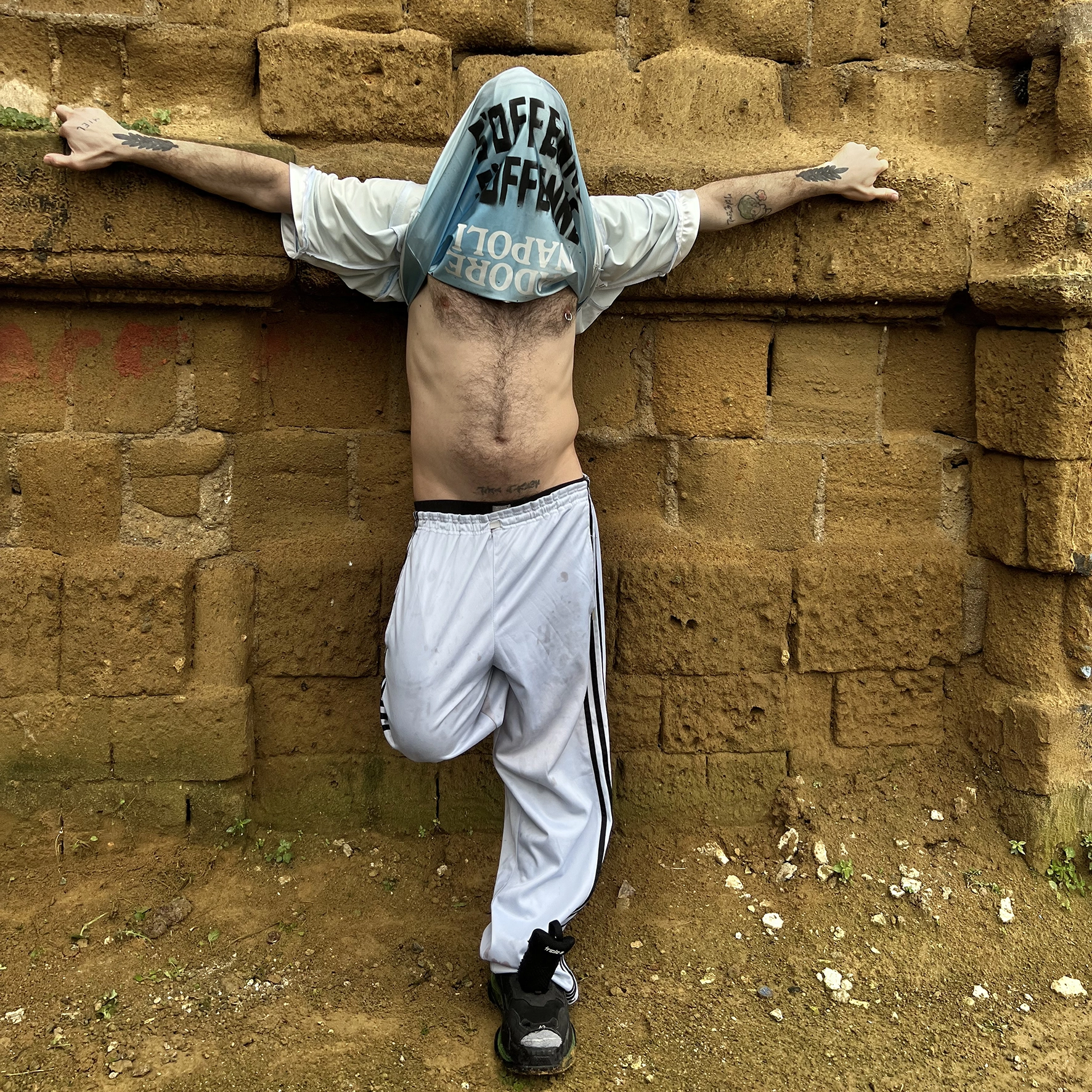
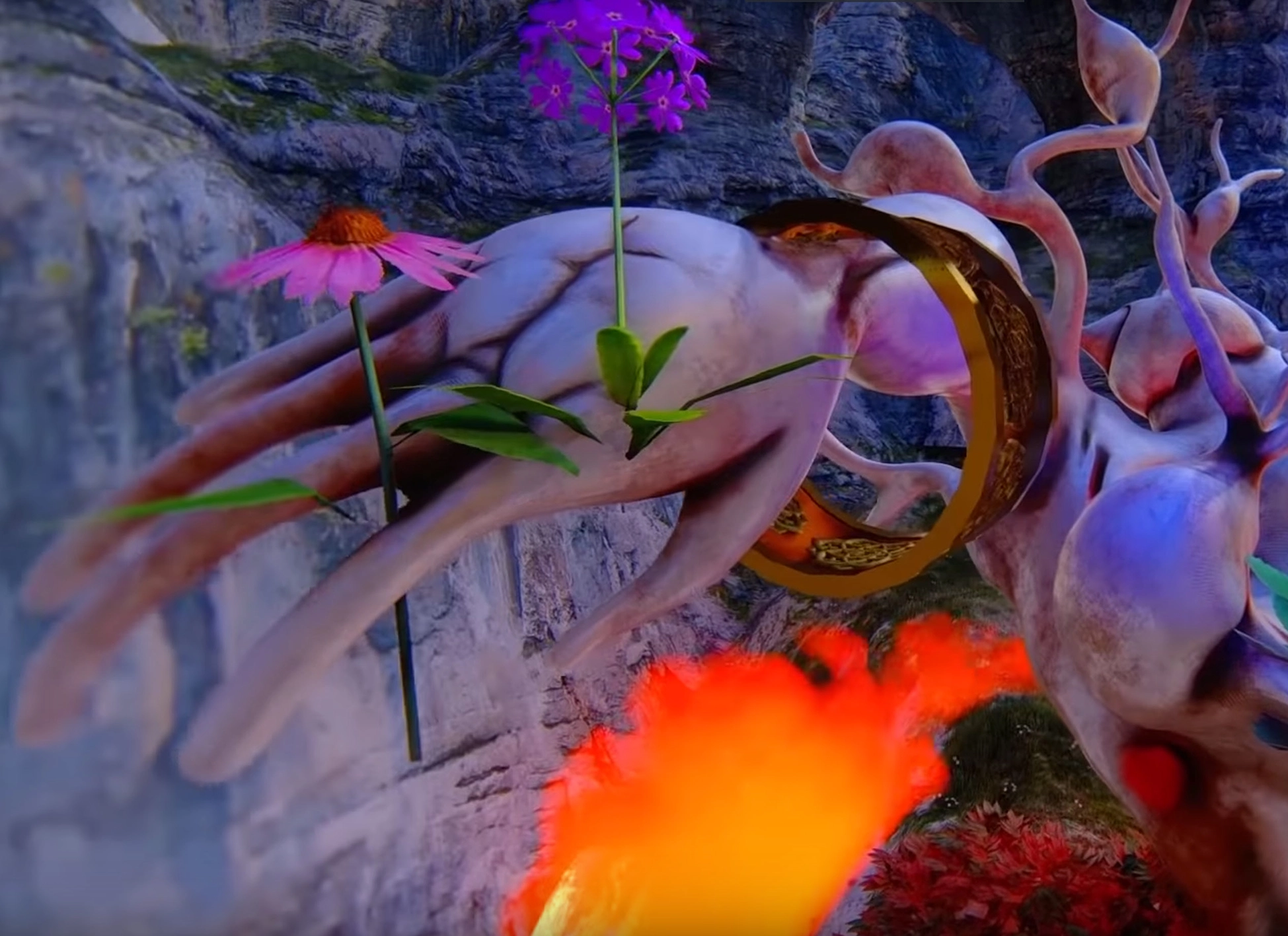
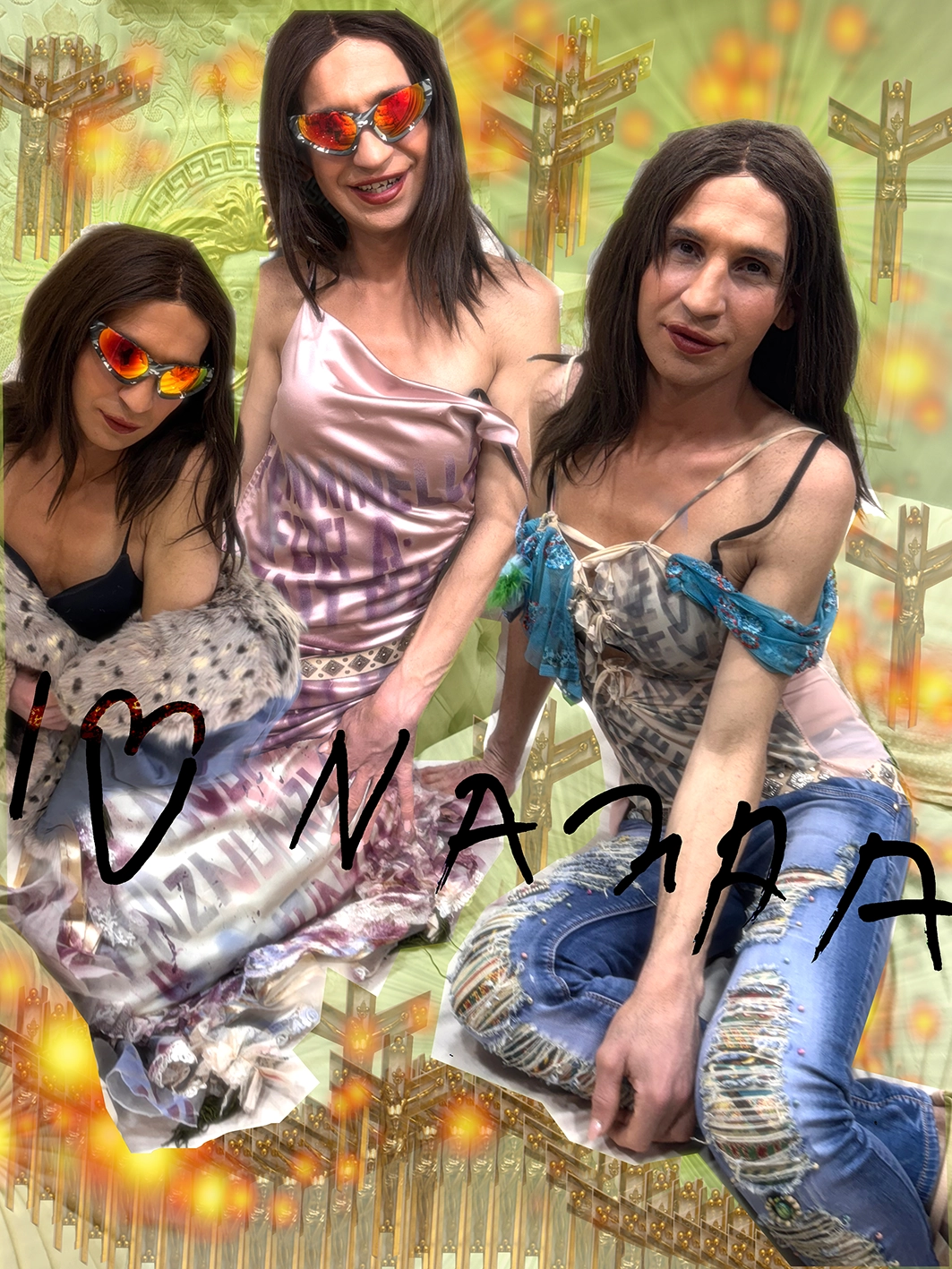
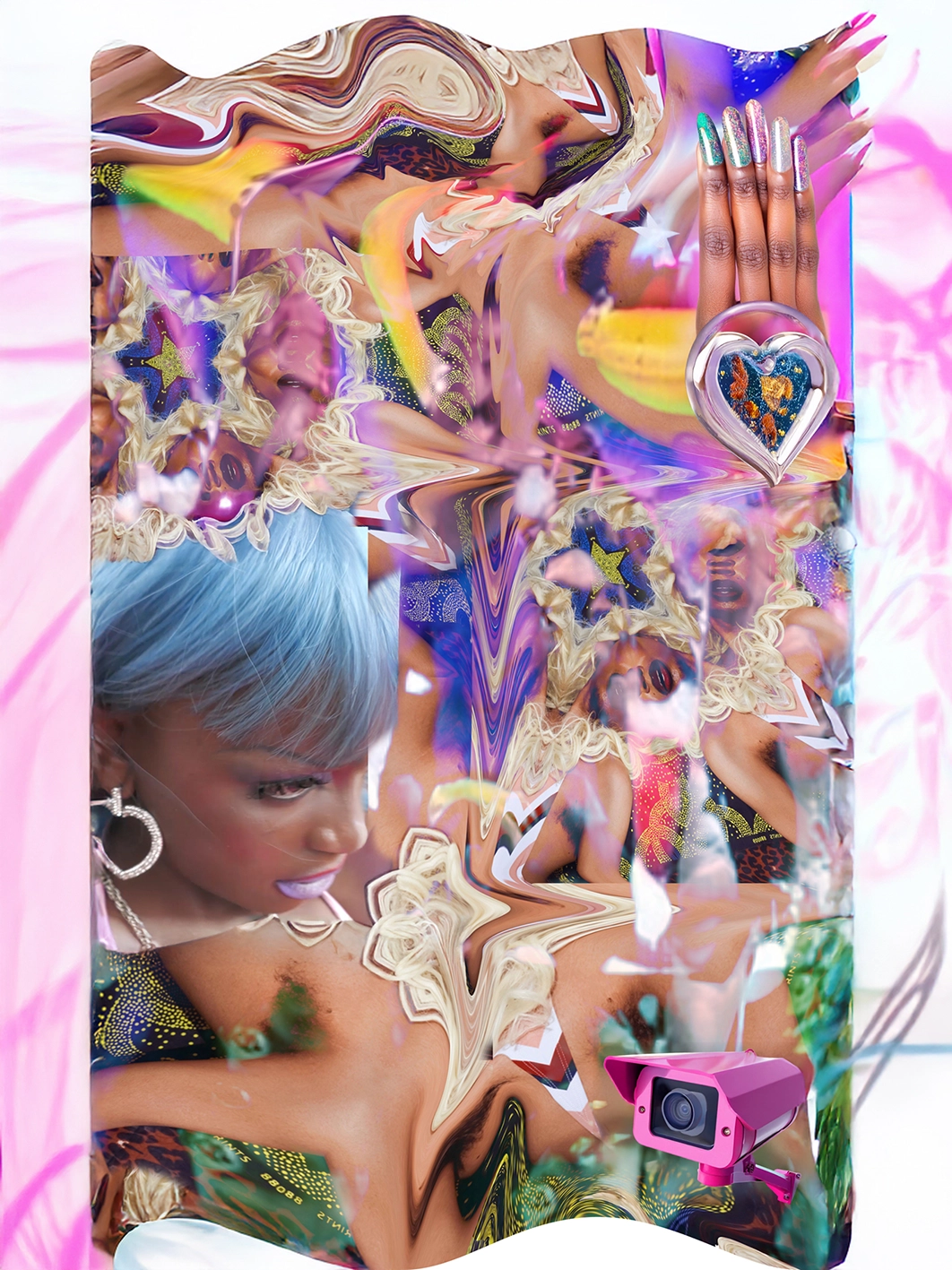
KISS MY ASS (2023)

, , , ,

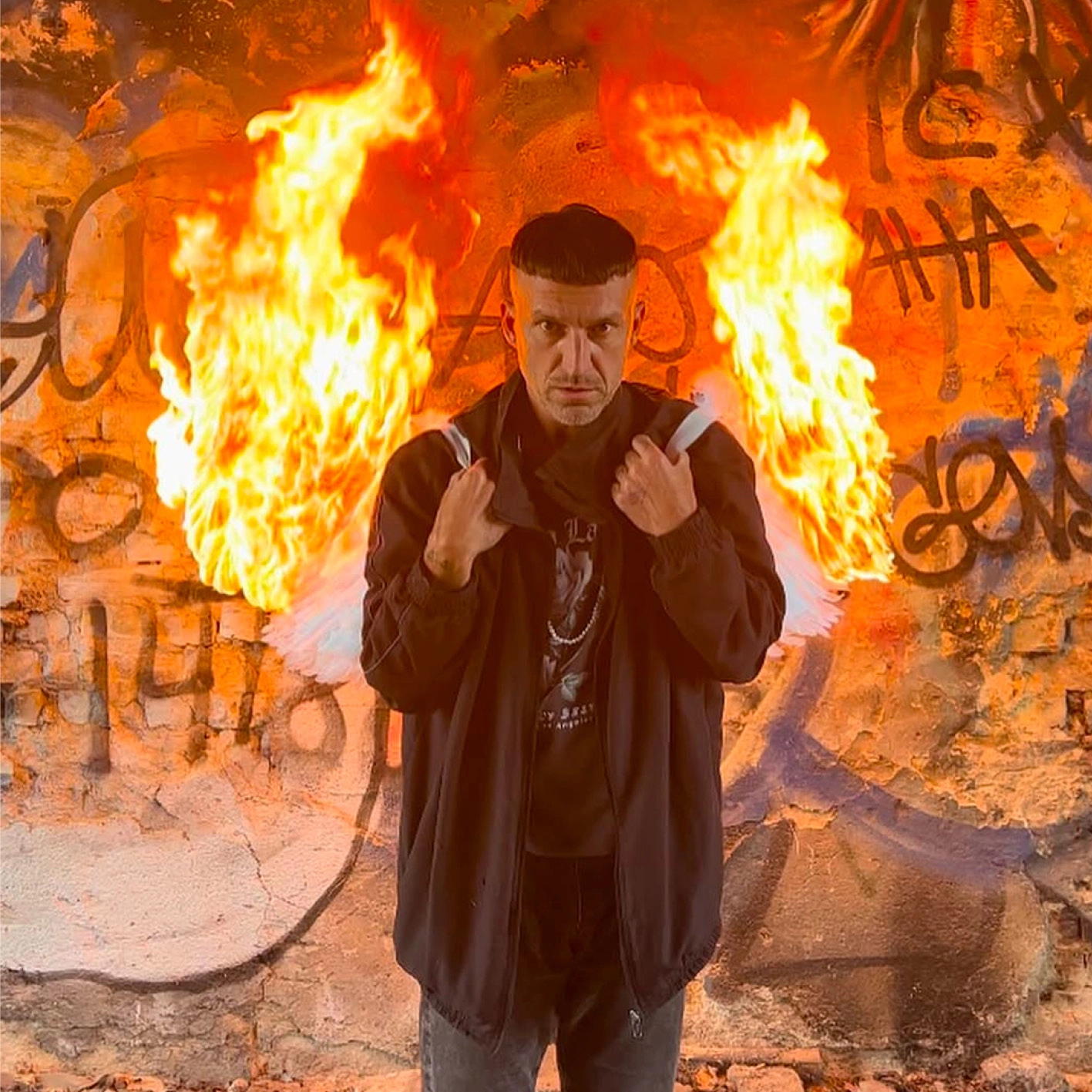
Voin de Voin is an artist whose practice unfolds through a symbiotic relationship with his cosmic other Æther, together forming a single, interdependent matter. This dual presence operates as both method and material, form and dematerialization, dissolving boundaries between author and process.

Their work centers on collective rituals and shared modes of working, emphasizing collaboration as a form of knowledge production. Through participatory structures and communal acts, they explore how meaning is generated, transmitted, and transformed when creation becomes a collective endeavor rather than an individual gesture and the potentiality of that energy.

By fostering processes of cooperation, exchange, and learning, Voin de Voin and Æther investigate art as a living system—one that emerges through shared ideas, psychic archelogy, ritualized interaction, and the continual circulation of knowledge.

Artist Statement

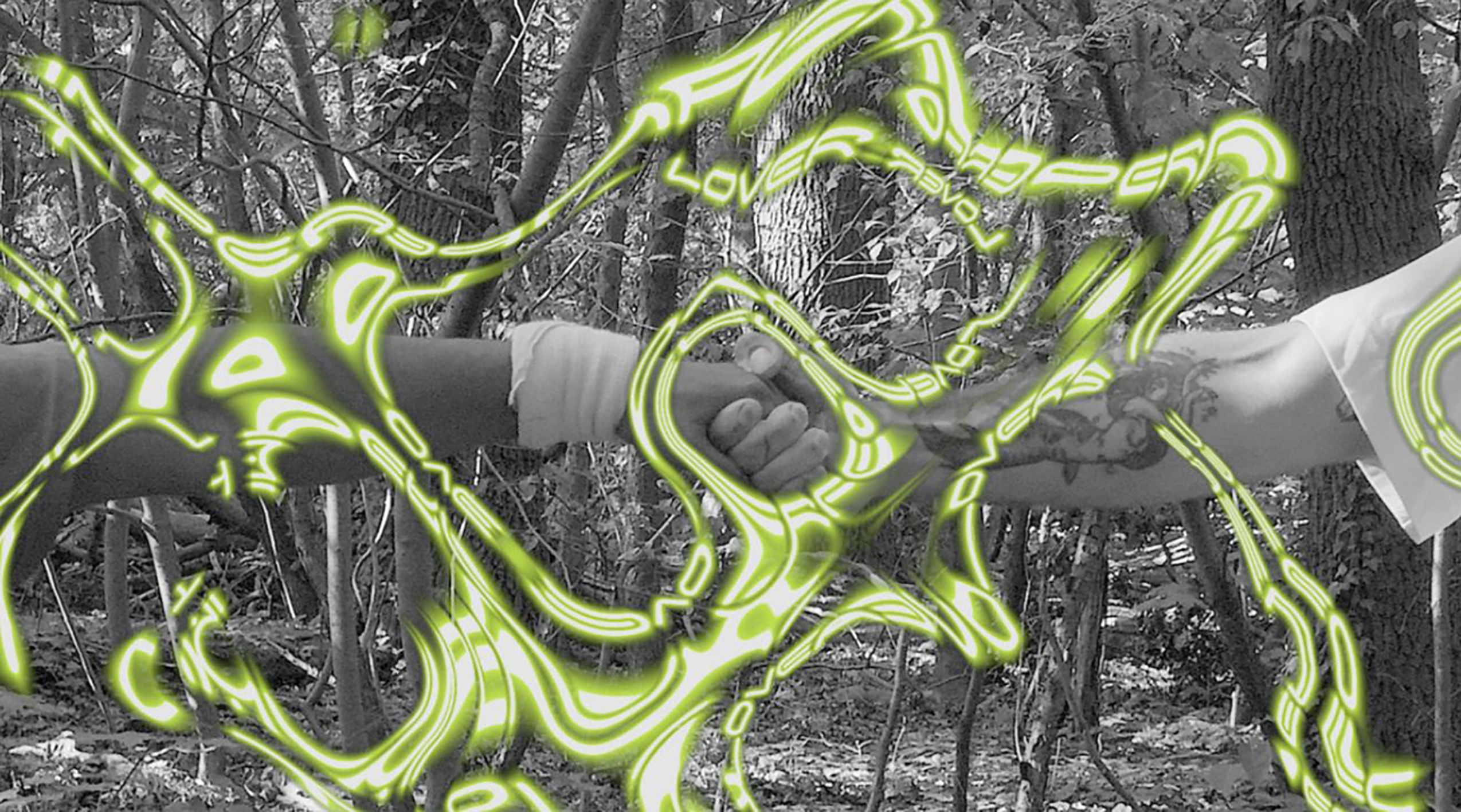
The image was taken in Mallorca in 2023. It’s an image about freedom and escape, about wanting to break out of the cliches and the constraints of society that are imposed on us.

Printing & Material

All editions are produced using professional pigment printing technology, ensuring exceptional colour depth, smooth tonal gradations, and long-lasting archival quality. This process delivers museum-standard digital fine art prints with outstanding sharpness, minimal colour shift, and consistent results across both colour and black & white works. Each print is produced under controlled professional conditions to ensure consistency, durability, and fidelity to the artist’s original work.

Each work is produced as a museum-quality fine art pigment print on Hahnemühle Photo Rag® Baryta, digitally signed by the artist and accompanied by a certificate of authenticity, and released in strictly limited editions.

All editions are printed on Hahnemühle Photo Rag® Baryta, one of the most renowned fine art papers in contemporary photographic and digital art practice. This exceptional 315 gsm, 100% cotton paper combines a delicate, tactile surface with a luminous baryta high-gloss finish, offering outstanding depth, precision, and tonal richness.

Widely used by artists, galleries, and museums, Photo Rag® Baryta meets the highest standards for archival fine art printing. The paper is acid-free, OBA-free, and museum-certified, ensuring long-term stability and preservation.

Each edition is produced with professional pigment inks, creating a work that is not only visually powerful, but also conceived as a lasting collectible object — materially, conceptually, and historically.

curated by

CURATOR

Lorenzo Xiques

Lorenzo Xiques: Practice and Context

Lorenzo Xiques (b. 1983, Caracas) is an independent curator operating from Naples, Italy. His practice is characterized by a rigorous inquiry at the intersection of contemporary art, performance studies, and critical social research. Xiques’ professional trajectory began following academic studies in architecture, an experience that informs his structural and spatial understanding of curatorial development. Fundamentally, his curatorial path is shaped by his personal history as an immigrant, arriving from Venezuela to Southern Italy at age eight.
This experience —starting from zero, learning a new language, and assimilating to a different culture without resources or family connections in the arts— is described as his punto di arrivo (point of arrival), profoundly affecting his perspective. From 2013 to 2017, Xiques held the position of Artistic Director at Quartiere Intelligente in Naples, where he established cultural programming focused on the discourse of sustainability and emergent urban practices. His institutional collaborations are significant, including ongoing work with museo Madre, a coordination role at Casa Morra Archivi d’Arte Contemporanea from 2017 to 2018, and for performance art within the Volcano Extravaganza festival (Fiorucci Art Trust) edition 2017 and 2019.
Since 2017, he has collaborated with Galleria Fonti in Naples, promoting young national and international artists focusing on a language and research that explores a poetic conceptualism.

Curatorial Thesis: The Outsider’s Path

As an “outsider” to the closed circuit of the artistic elite, Xiques found alternative paths that allowed him to shape his curatorial voice on his own terms, unburdened by tradition. He conceptualized Instagram as a digital sanctuary that enabled him to bypass geographical, social, and financial barriers, conducting research and building a global community where he could share and communicate art “how I want to.” This “virtual path” transformed professional frustration into an energetic catalyst, providing the possibility to “break through structural barriers.” Xiques’s research concentrates on the investigation of themes relating to gender, identity, and the complex reciprocity between advanced artistic experimentation and models of collective life.

Aesthetic Refusal and Embodied Knowledge

The artists selected for the King Kong Editions collection are united by a shared commitment to creating work that is a direct extension of their personal and political realities. Xiques champions artists who refuse rigid formalism and are often conventionally considered “ugly” for their richness and authenticity. This stance directly challenges the long Italian tradition of arte povera, minimalism, and conceptualism. At the core of this curatorial conceit is the idea that the work is not theoretical but an expression of embodied knowledge, diasporic, and queer methodologies. The artists and their work are “testaments to alternative narratives” and “new imaginaries” that blend the past, present, and future. Recognizing that “contemporary art is a Western language,” Xiques is interested in artists who negotiate the paradox of translating their heritage into a contemporary art code. Like the “diasporic rat” metaphor he cites, the work operates as an imboscata(ambush)—disrupting established art geographies and hierarchies from the edges.

Art as a Gift, Not a Trophy

For Xiques, this Editions project, which includes works by his close friends and collaborators, is not only a natural curatorial fit but also a powerful solution to the inaccessibility he has faced. The collaboration seeks to create tactile bridges between his virtual community and the intimate space of the home. The artists were asked to offer a work that “you would love to gift to a friend,” shifting the relationship from ownership and status to one of personal connection and shared values. Xiques is thinking of the passionate art lover who can’t afford galleries but can, through this project, “buy an art print and have it in their house, be in company with it and feel part of a community.” This collaboration demands active participation, asserting that “There is no space for a neutral artist anymore.” The works are not theoretical or housed “in a vacuum,” but are “our lived experience,” representing an ongoing practice of building a more inclusive, meaningful art ecosystem.


ARTIST

Voin de Voin

Your work feels like a ceremony—how do you approach performance as ritual?

Yes indeed, its more like a ritualisation. Let me explain, I put here an extra key word—realisation. I mash it up with ritual and we get ritualisation. For me its important that the public goes into a trip together, exploring different states, and foremostly to arrive to a certain end and have a realisation on their own. It’s very important people to think, not to be afraid to get confused and again to find a link and come out of the ritual with a realisation, something they can bring on with them…to develop, in their own daily rituals.

What does queerness mean to you in the context of mysticism or ritual?

Queerness is an enigma. I still think we are exploring the potential and the meaning of it.
You need a drop of mysticism in the over exposed world.
In antiquity or the ancient times, queerness was praised and levelled to the realm of the divine. People were celebrating the differences, the extra sense, the other. Often queer people were in positions of oracles and high priests or priestesses or purely genderless entities, that would provide and mediate the connection between the worlds and the mortals with the gods and higher powers.
Now we are mostly witch hunted, our bodies weaponised, our mystic vail revealed to the level of hatred or perversion. Our mystery is a common one, I feel queer people should start going back and regain what’s truly authentic, not submit to societal disposure, and through the collective, establish a new sense of mysticism, which connects resilience, empowerment and care.

What does it mean to “transmit” energy through pixels, sound, or text?

It’s a special power, in the AI era, to be able to be seen, heard.
To voice out in reality is difficult, we are being silenced most of the time.
In digital space, the dictating algorithm also allows or disallows us to be present.
We need to speak through a secret language now, as the machine once learned from us and mastered to mimic our psyche and way of thinking. Now we can do the same, and create a whole new system of communication, and perhaps then the transmission of energy through sound, text, pixels, or voice will become the overwriting system and erase censorship, shadowing and autocorrection to the original message.

If this were a spell, what would it summon or dissolve?

Bring me light
Or I will fight
Bring me air
Or I won’t spear
Without love
There is no
God…pray and fly!

How do you relate to your audience during a performance—do you guide, provoke, or invite?

I do definitely design my collective messes J, thinking in stages. You cannot go from 0 to 100. It’s so much more complex than what it seems like. You need to understand psychology to the fullest in order to allow yourself to lead. Or you are a fraud, like Freud on Netflix.
Often provocation has a role, but more in the sense of daring. To examine the border between the personal and the collective—this is a very important connection, in society, personal and public life. I do explore this in my performative rituals. The invitation is the presence. I believe there is no one in the room accidentally there. Each one is an element, part of the puzzle or the full disconnected map of energies, that are waiting and getting ready to connect via the Æther, the provider, to start react, and enjoy the complicity of nature and the human mind.

How did you approach time and sequencing in this format?

This is tricky. Sometimes it takes an hour. Other times it can take days. Like depends on the level of collective psychoses, back in the days in the Middle Ages, when they experienced the dance plague…
But yeah, it’s a durational experience, to give yourself the gift, to experience time differently, expanding, not shrinking, not linear, not backwards, but the time becomes one with time.
Tricky…

How does your work respond to our current political reality?

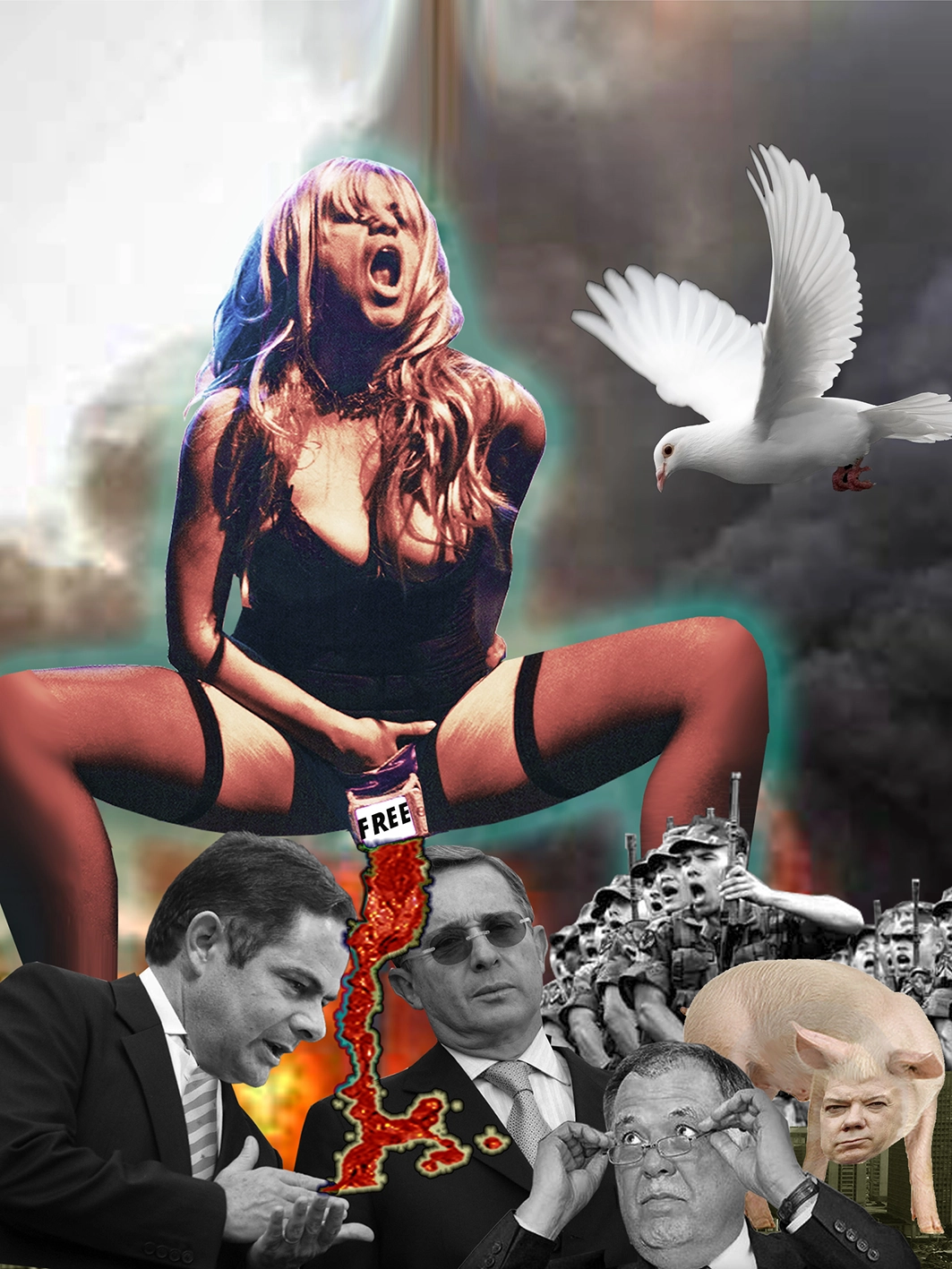
My work or our work should be shaped and focused on injustice, war, dominance, racism, fear, hatred, exercise of power, killing machines, new world order, dictatorships and genocides. All control mechanisms and replacement of the human and eradication of us as a species. It’s just the beginning and it’s already ugly and unbearable. Warriors of the world, let’s unite…as once Marx said about the workers of the world and labour.

BIOGRAPHY

Voin de Voin lives and works in Sofia. Completed his master’s studies in Das Arts, Amsterdam. Also attended Rietveld Academy of the arts, SNDO, and Laban Centre in London.
Between 2016–2024 he ran an independent art space in Sofia called ÆTHER, with a sibling satellite space in The Hague.
He is a founder of SAW Sofia Art Week, an annual festival of contemporary art.
His works shape experimental approaches within the visual arts, ranging from performance to installation, incorporating his research in collective rituals, psycho-geography, and radical expressions in the arts.
His work has been shown across the world, from institutions to underground venues, like Clearing Gallery, New York, Kochi-Muziris Biennale, India, Melbourne International Art Festival, Australia, De Appel Institute, Holland, Humboldt Forum, Berlin, Germany, Solitude Academy, Stuttgart, Deco Gallery, Tokyo, and others.

He has been a freelance curator since 2015.
He celebrates art as activism!